
Private Mansion Roof and Skylight Cleaning - Harrow (July 2025)
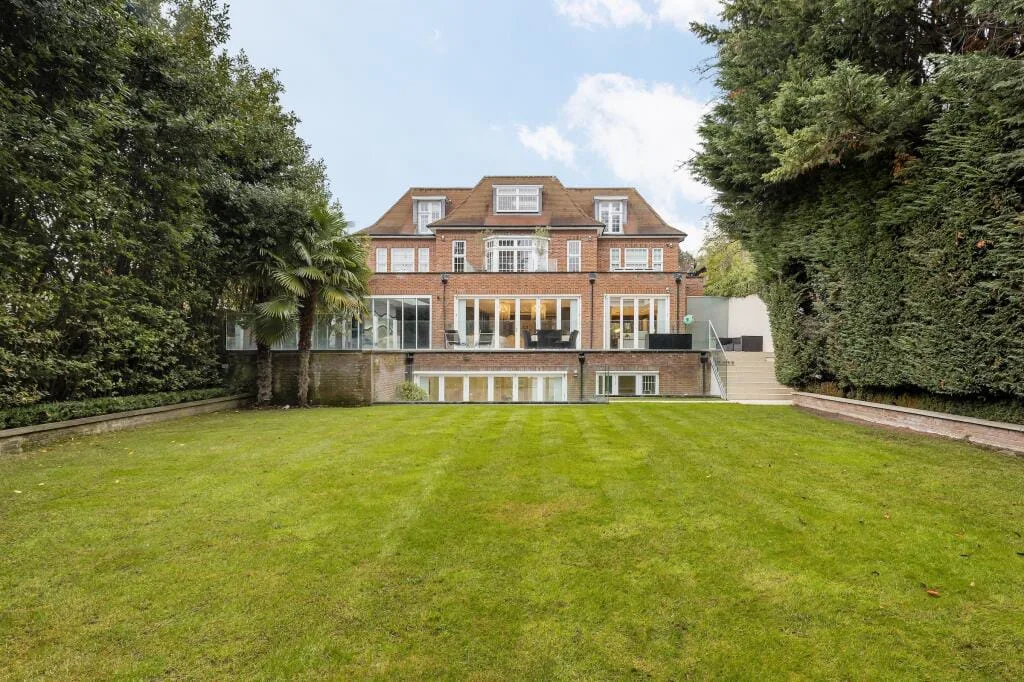
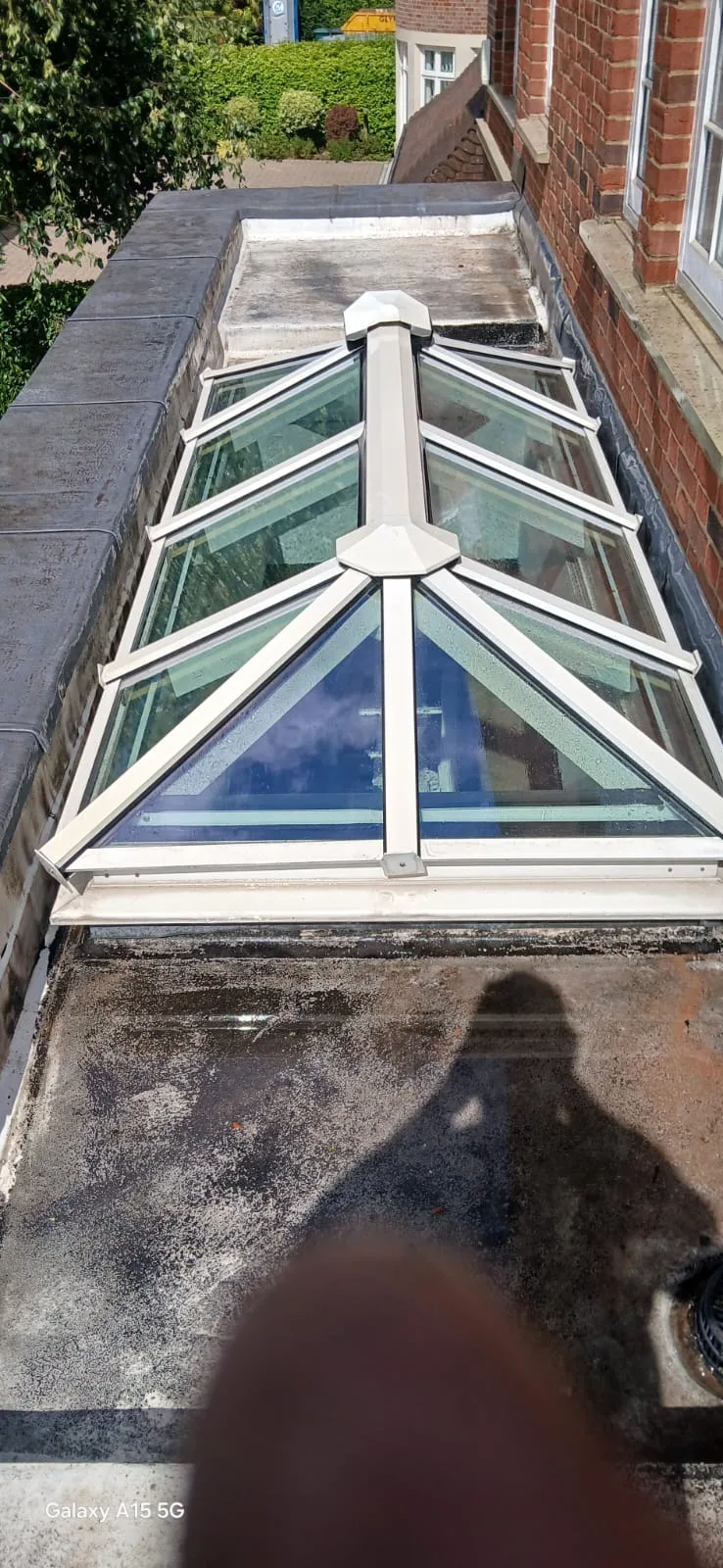
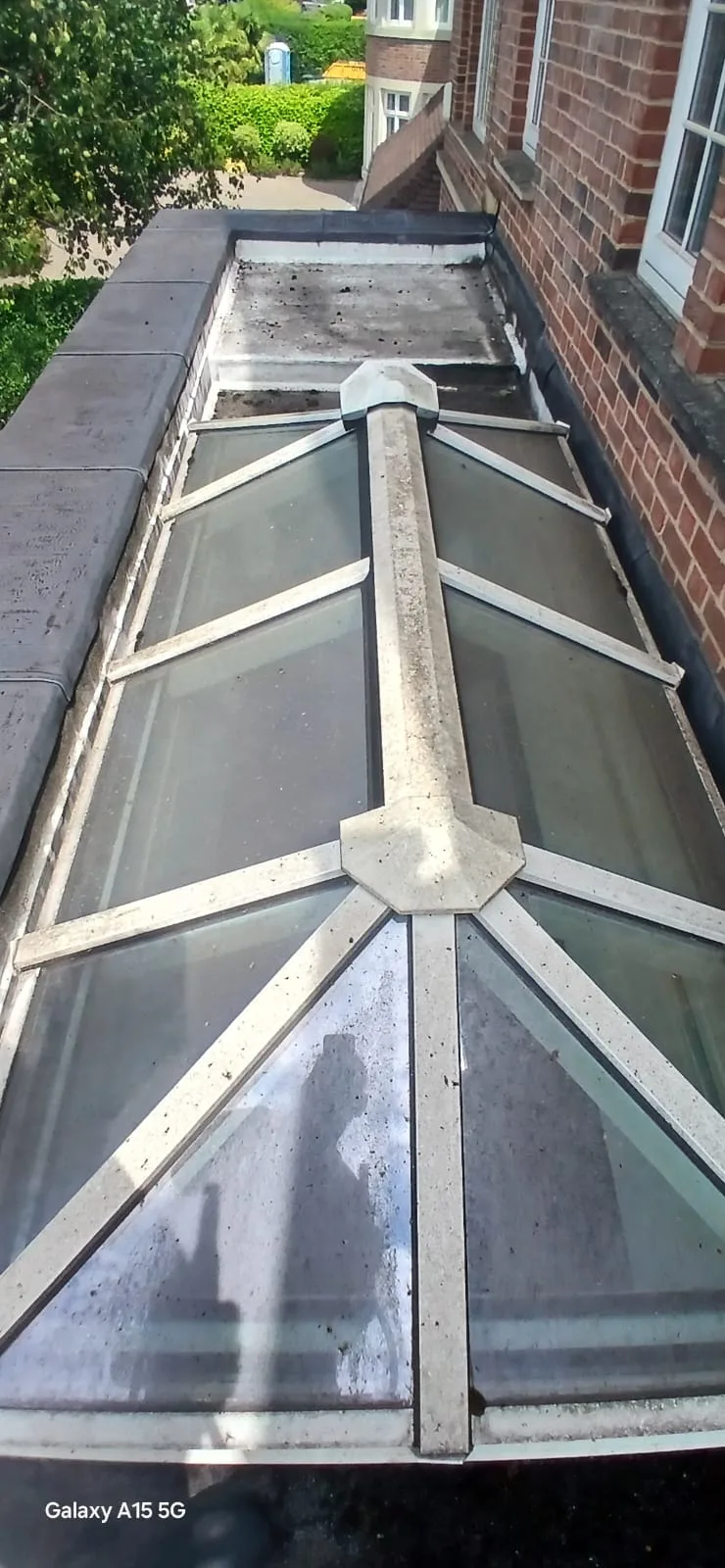
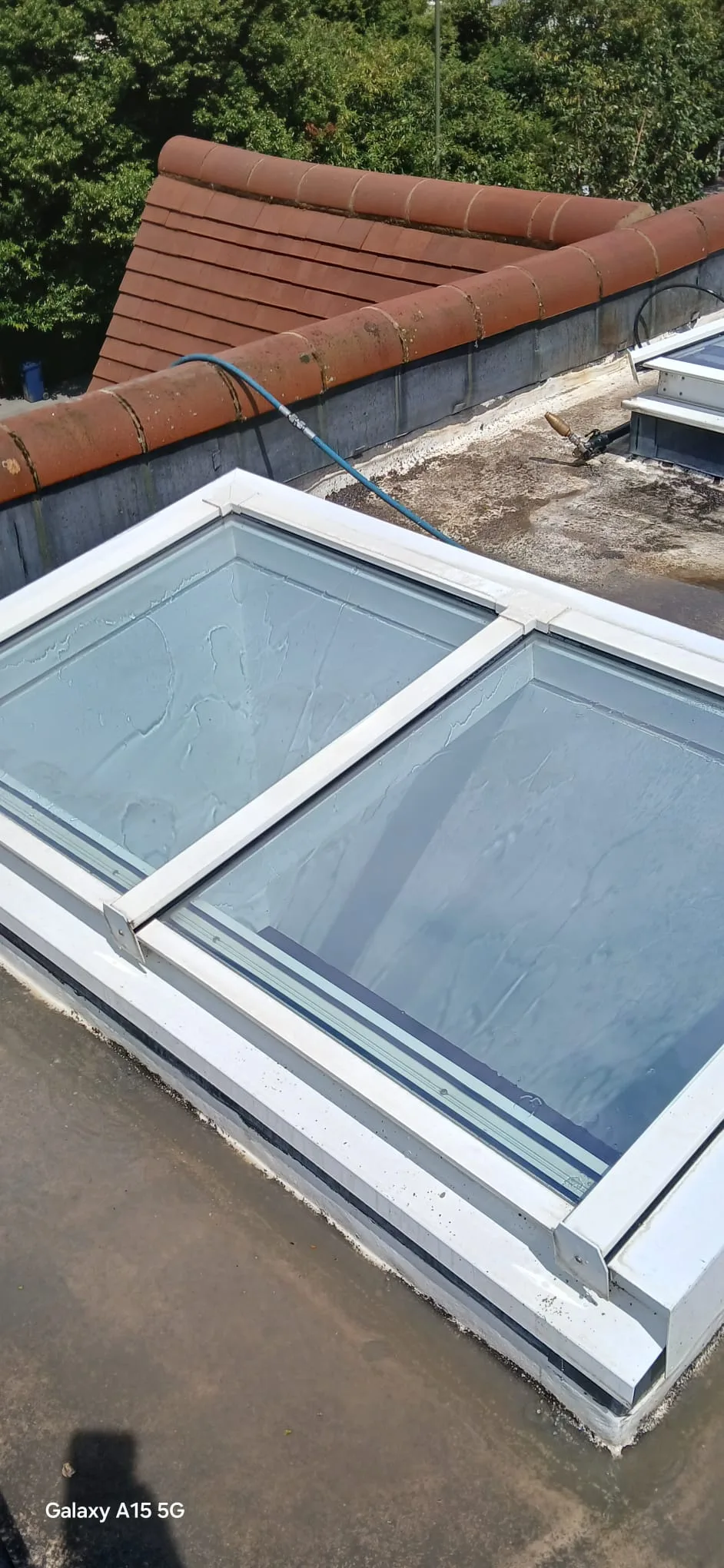
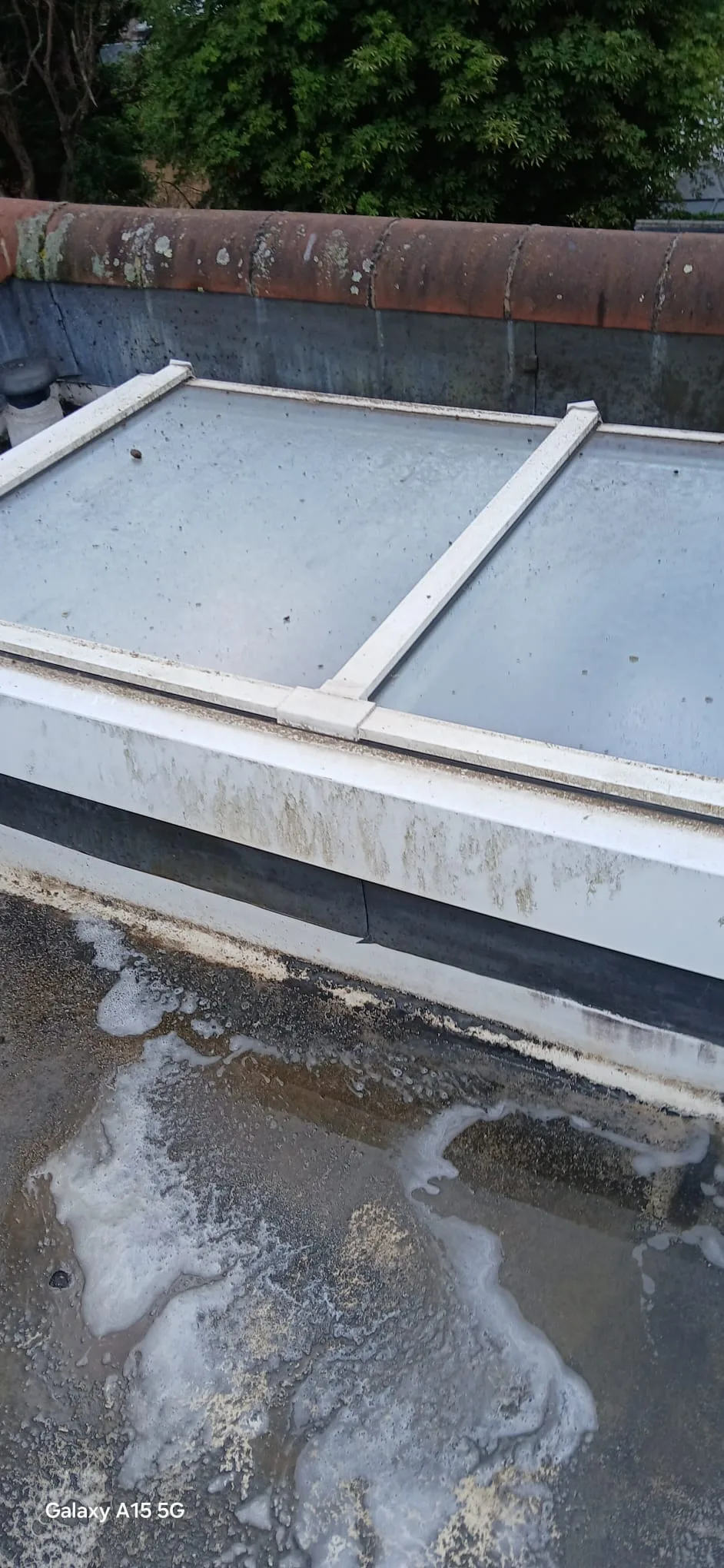
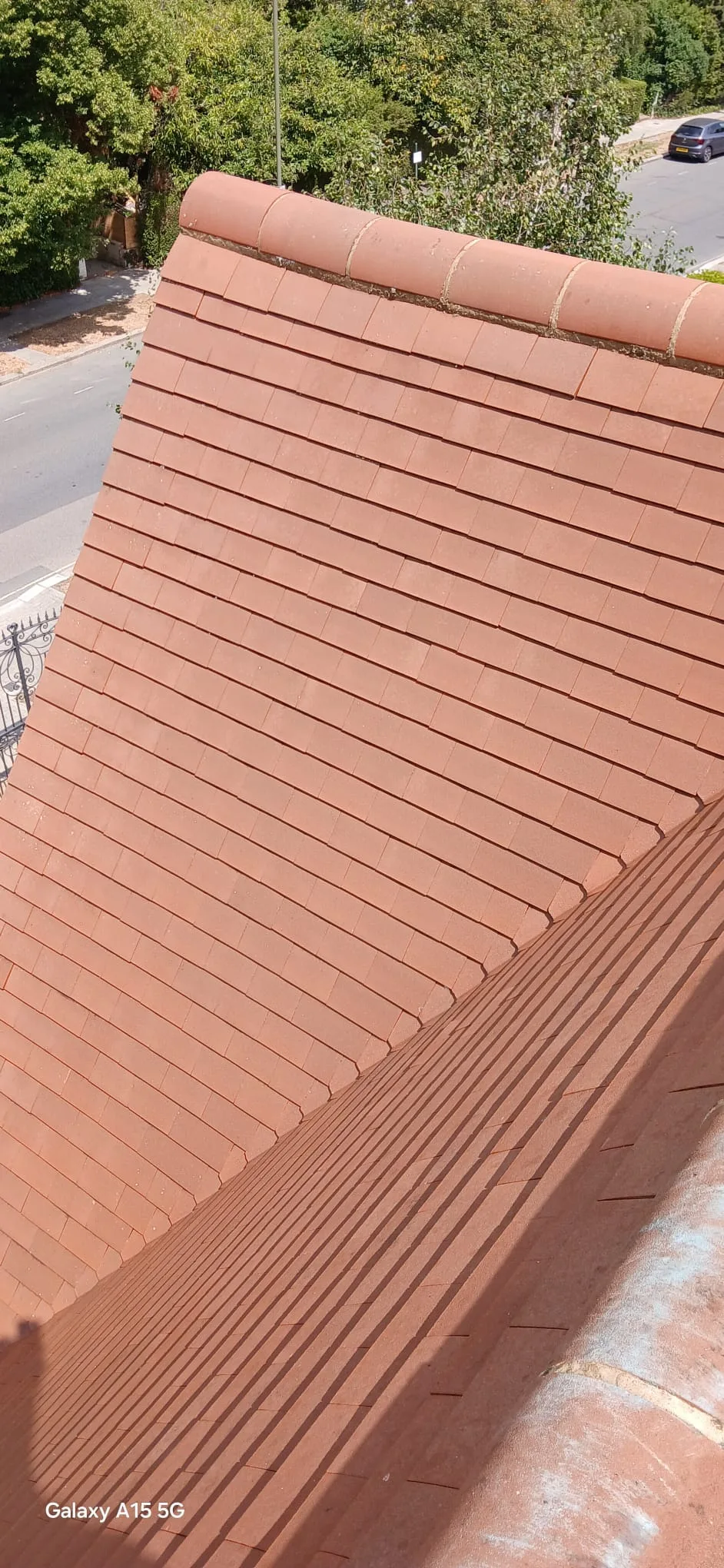
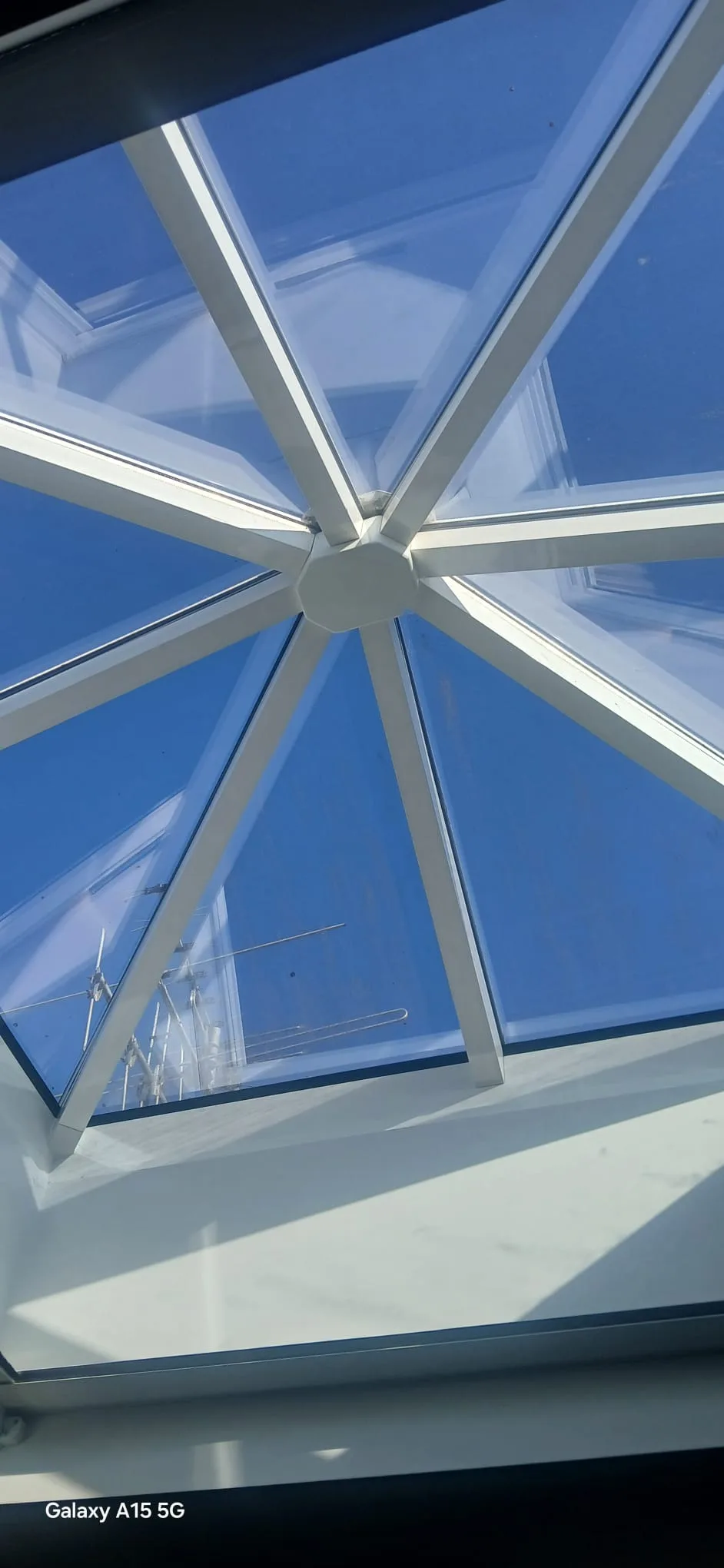
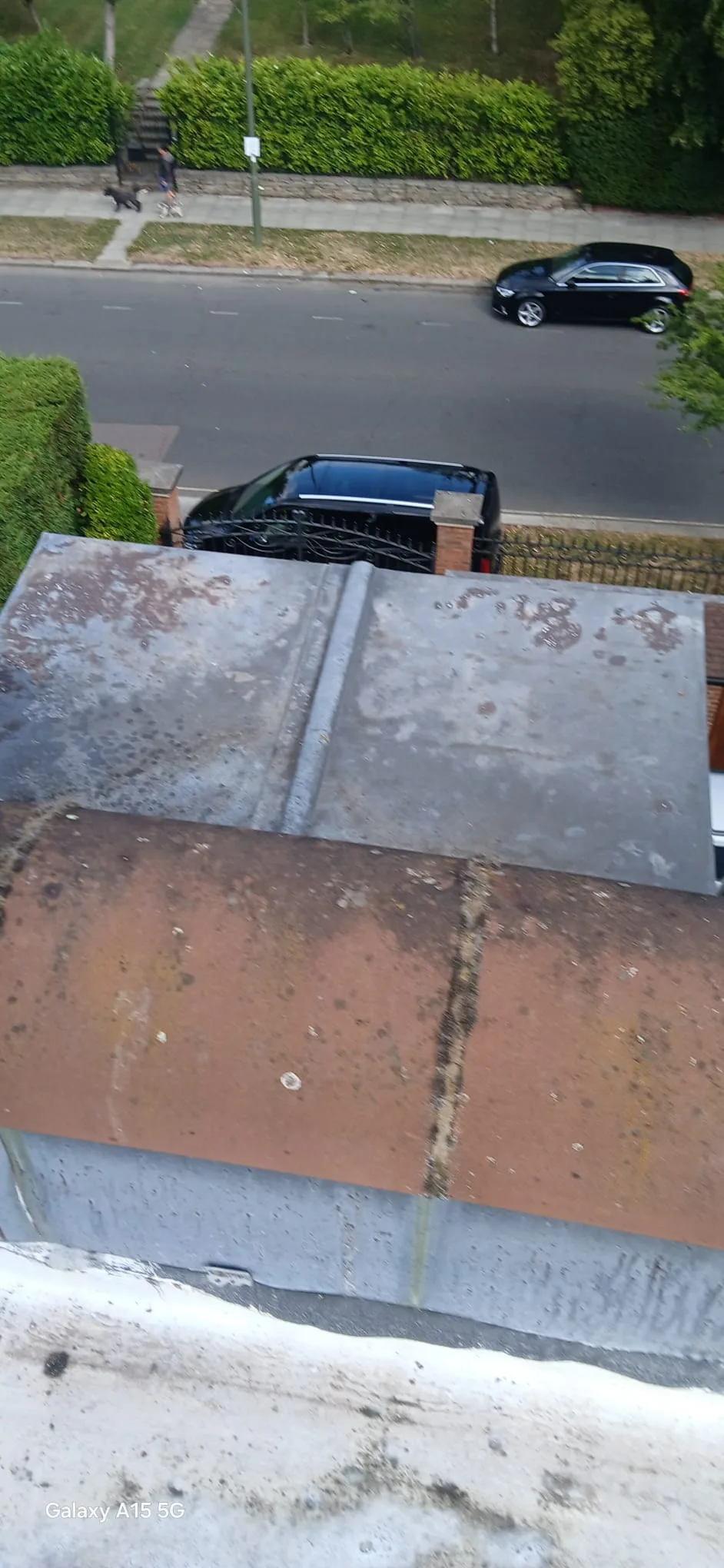
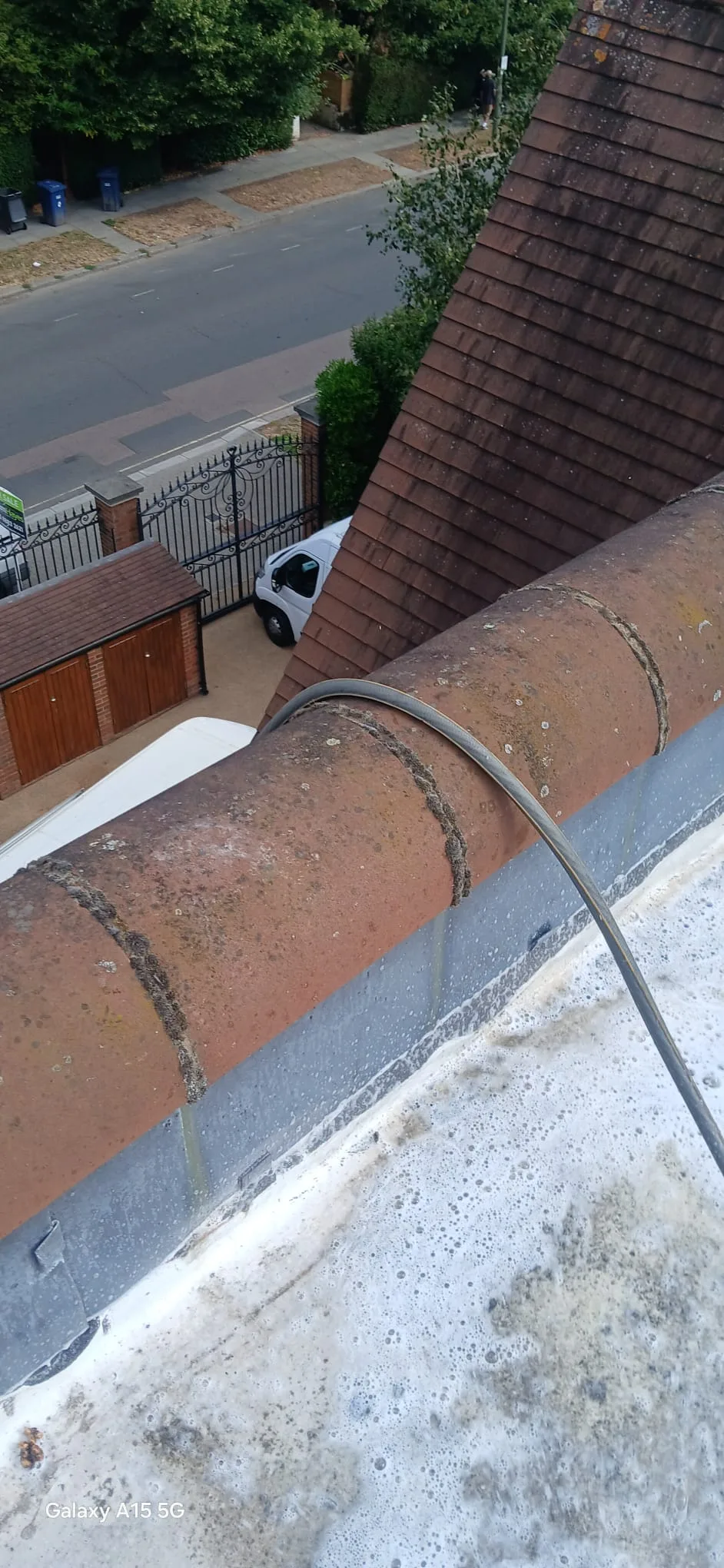
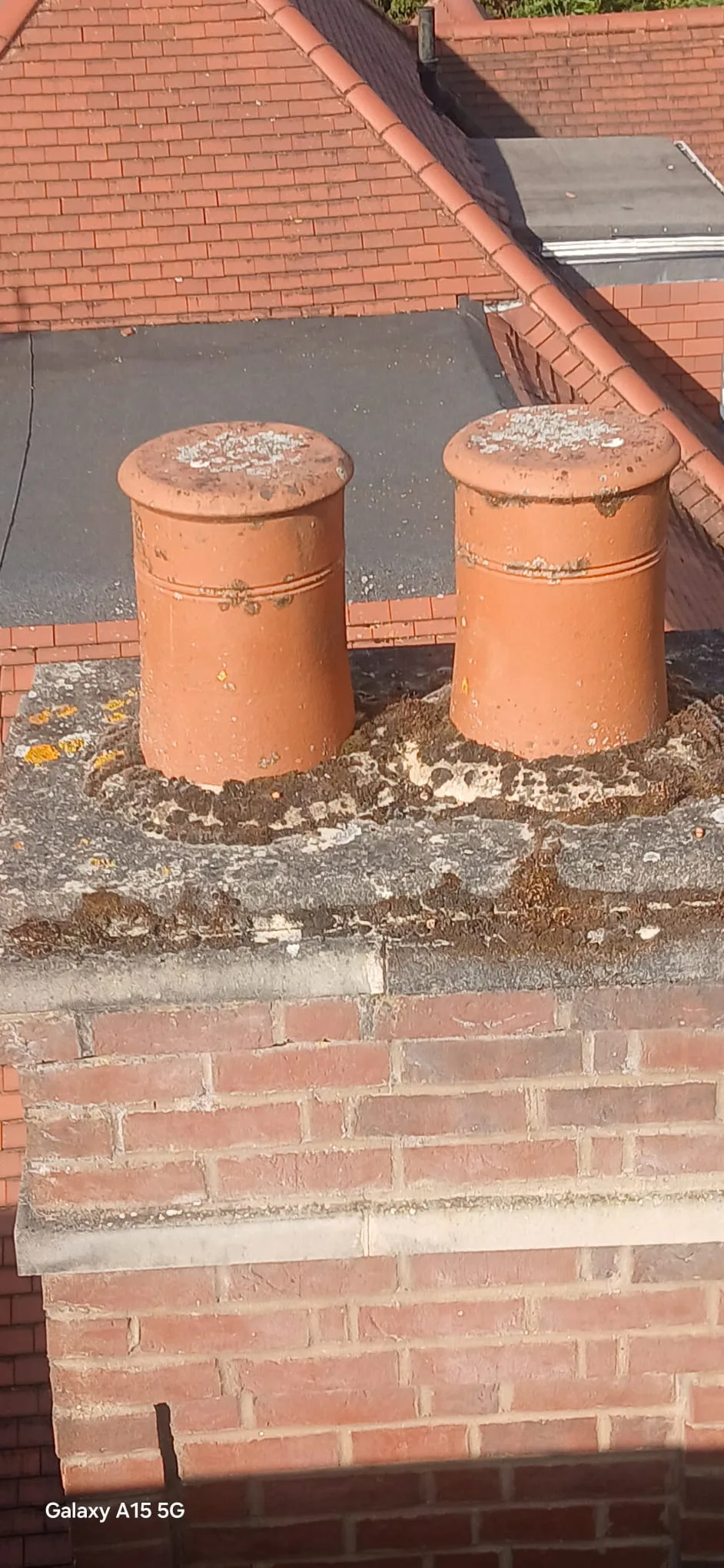
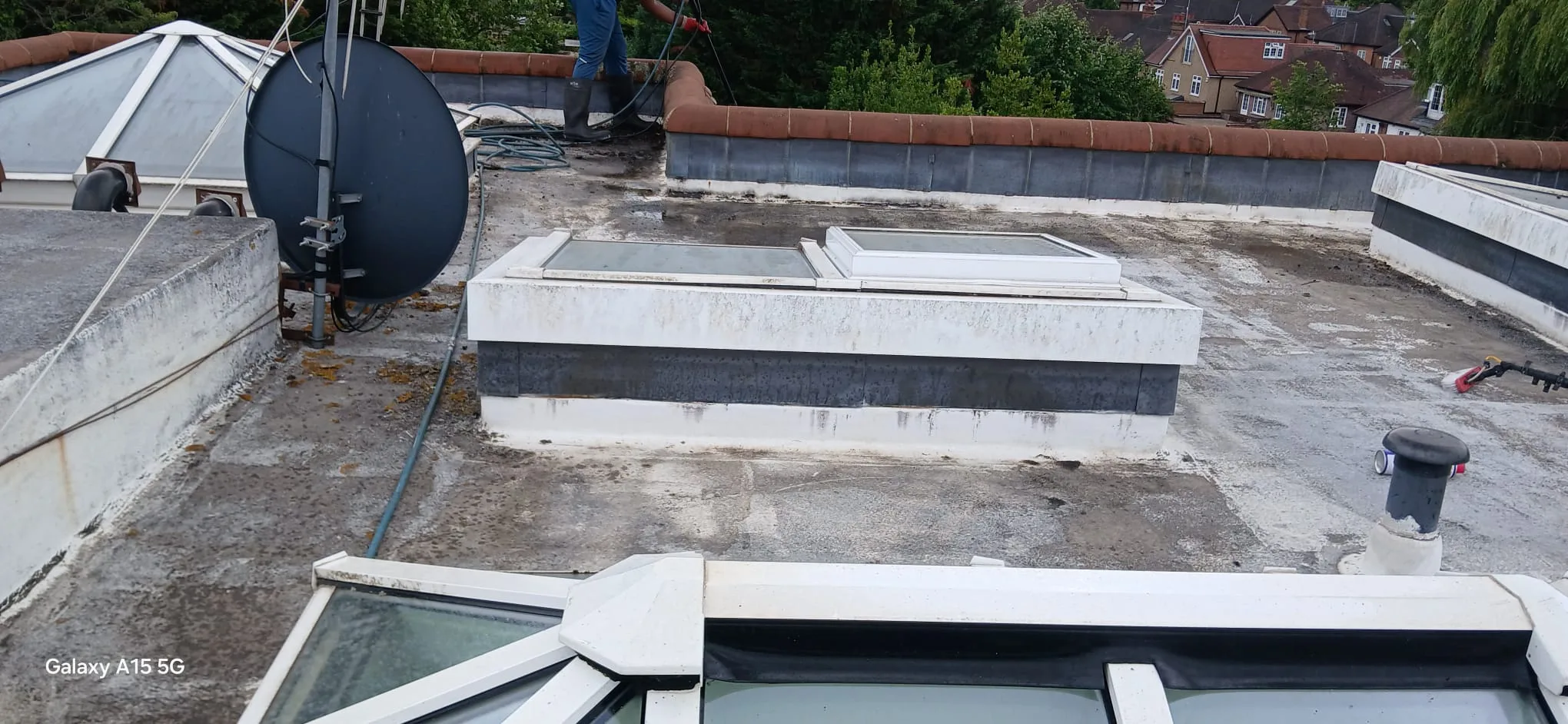
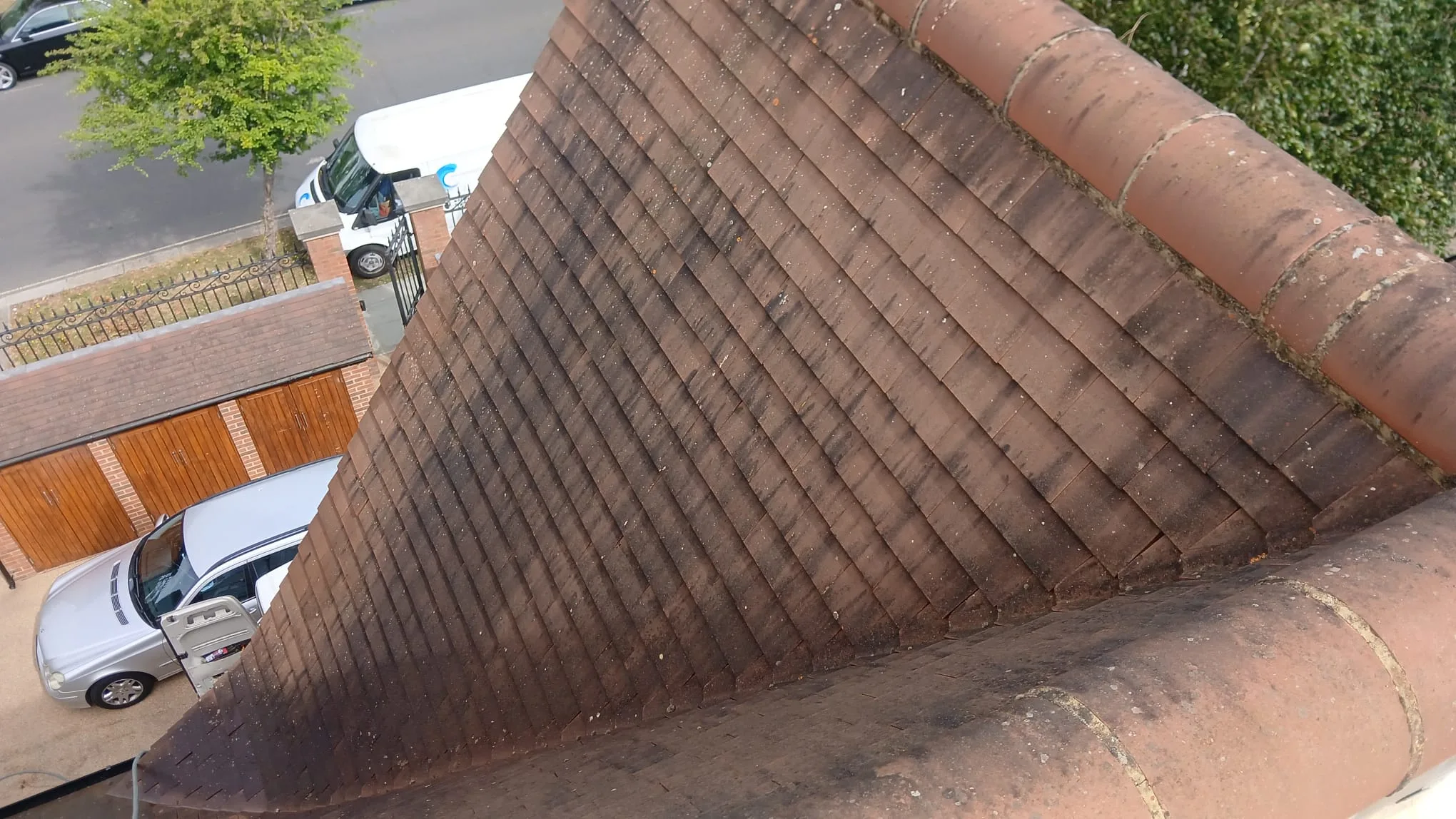
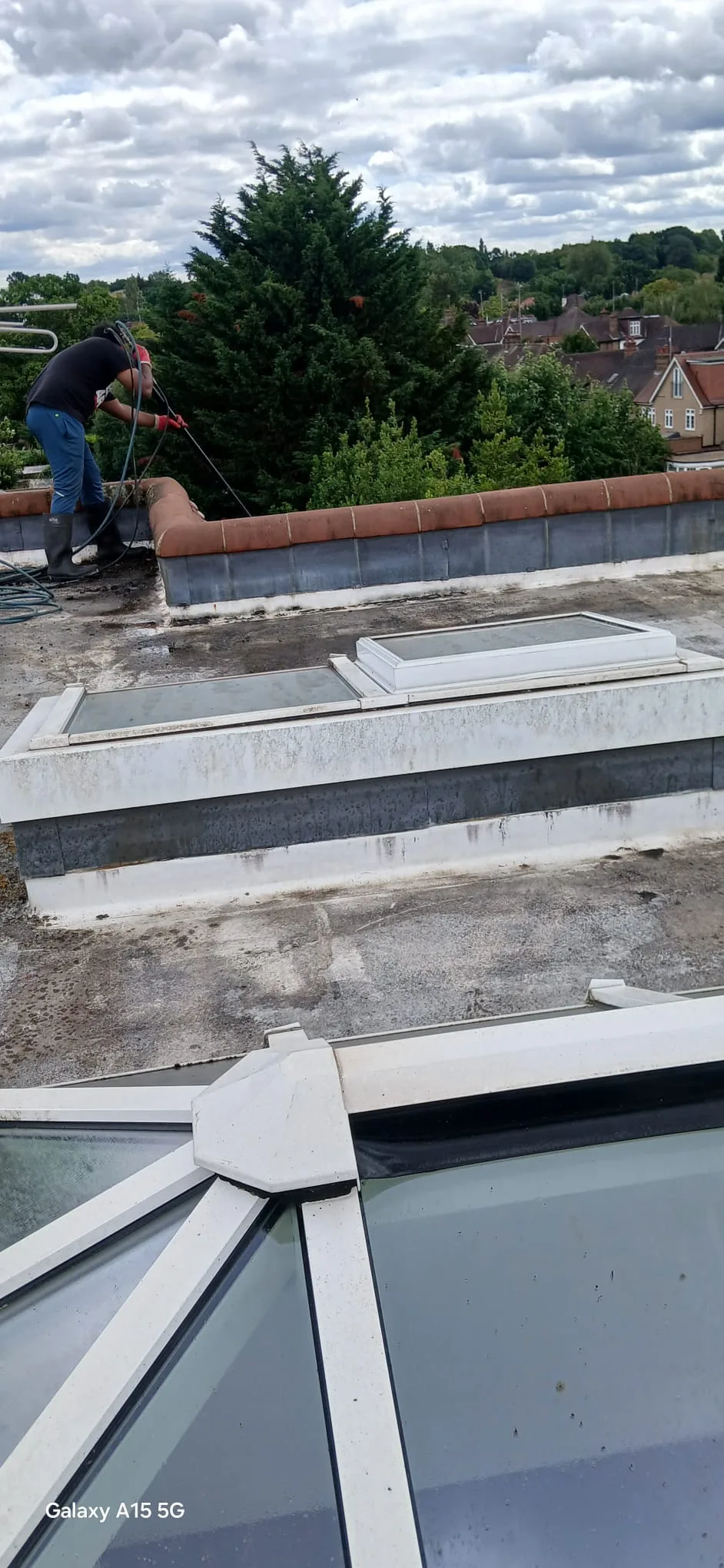
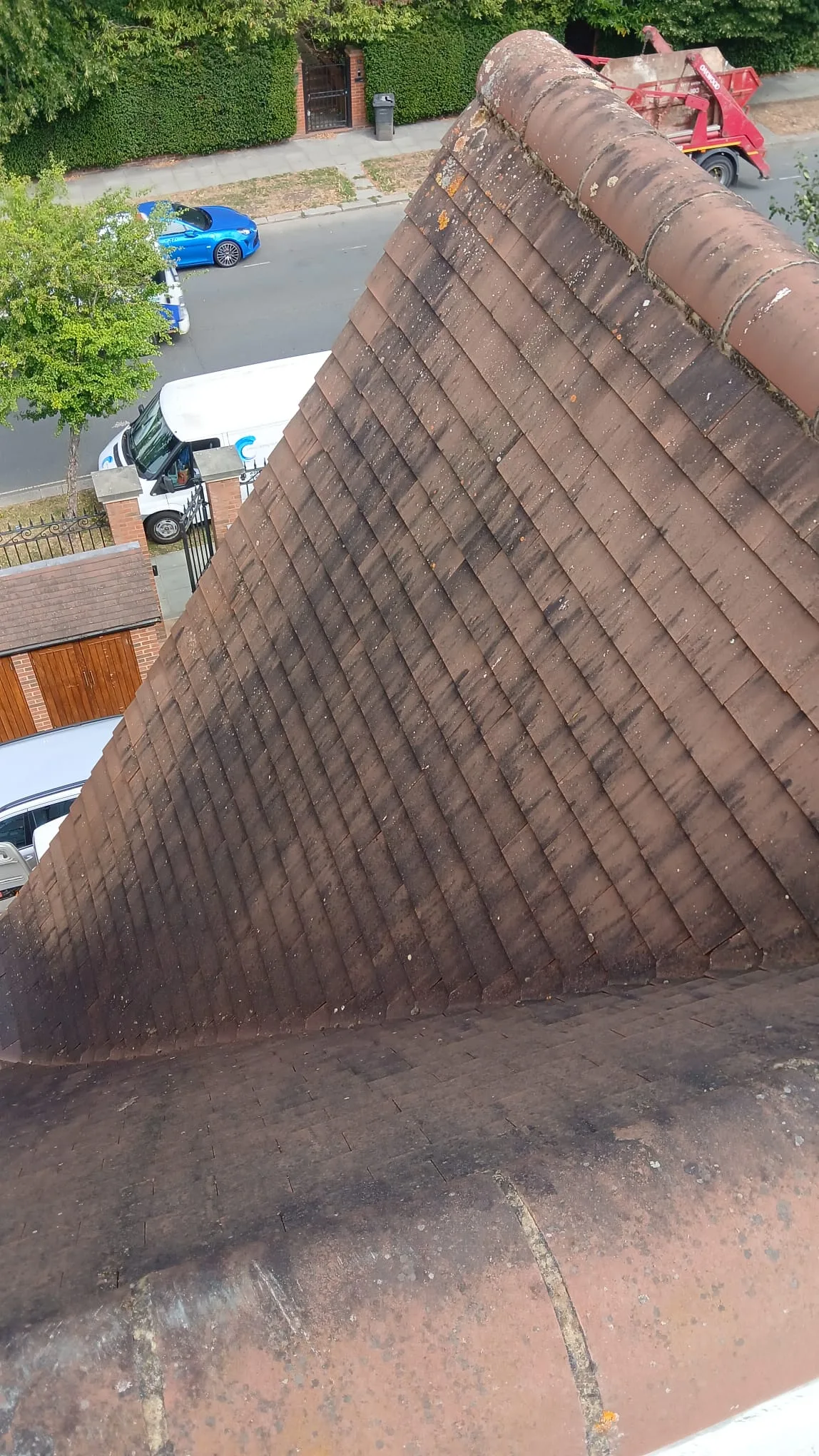
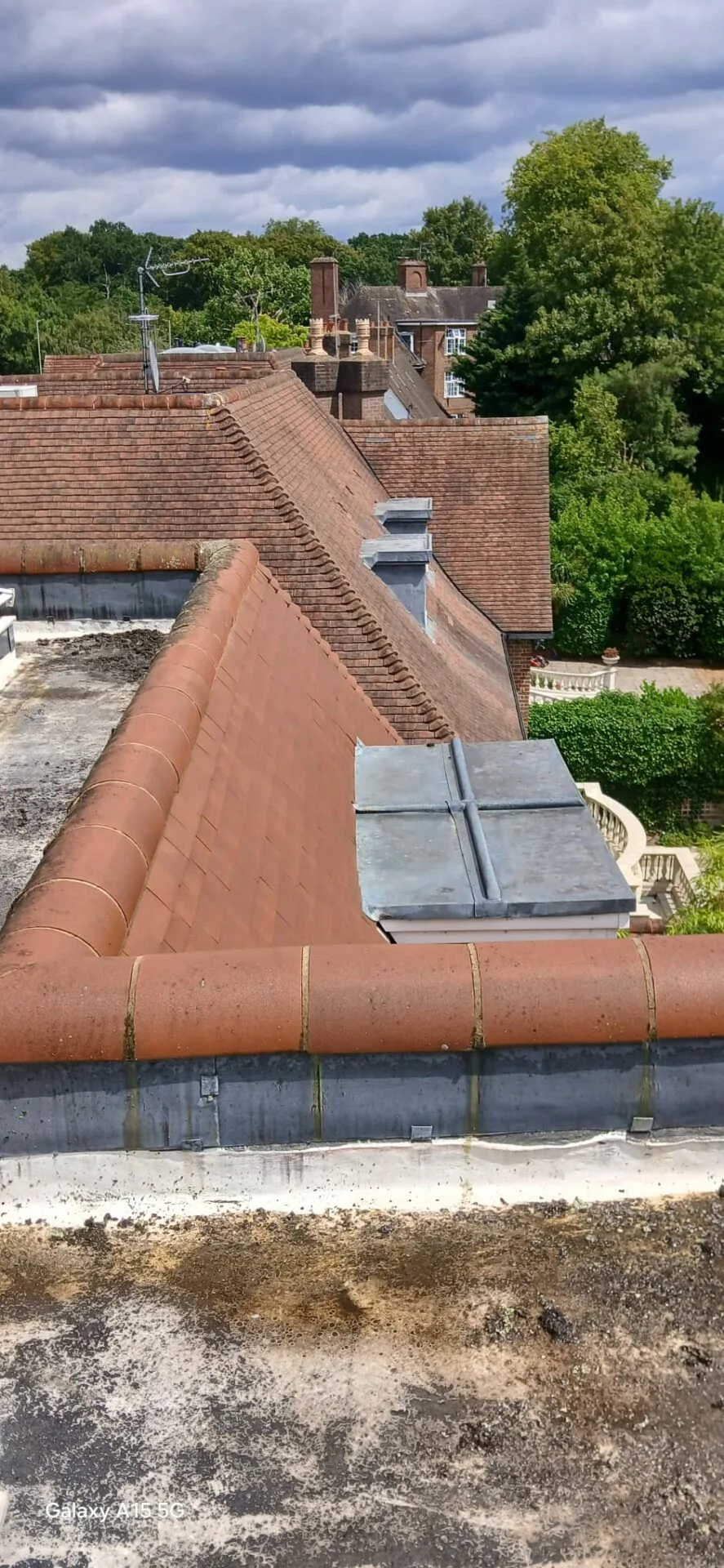
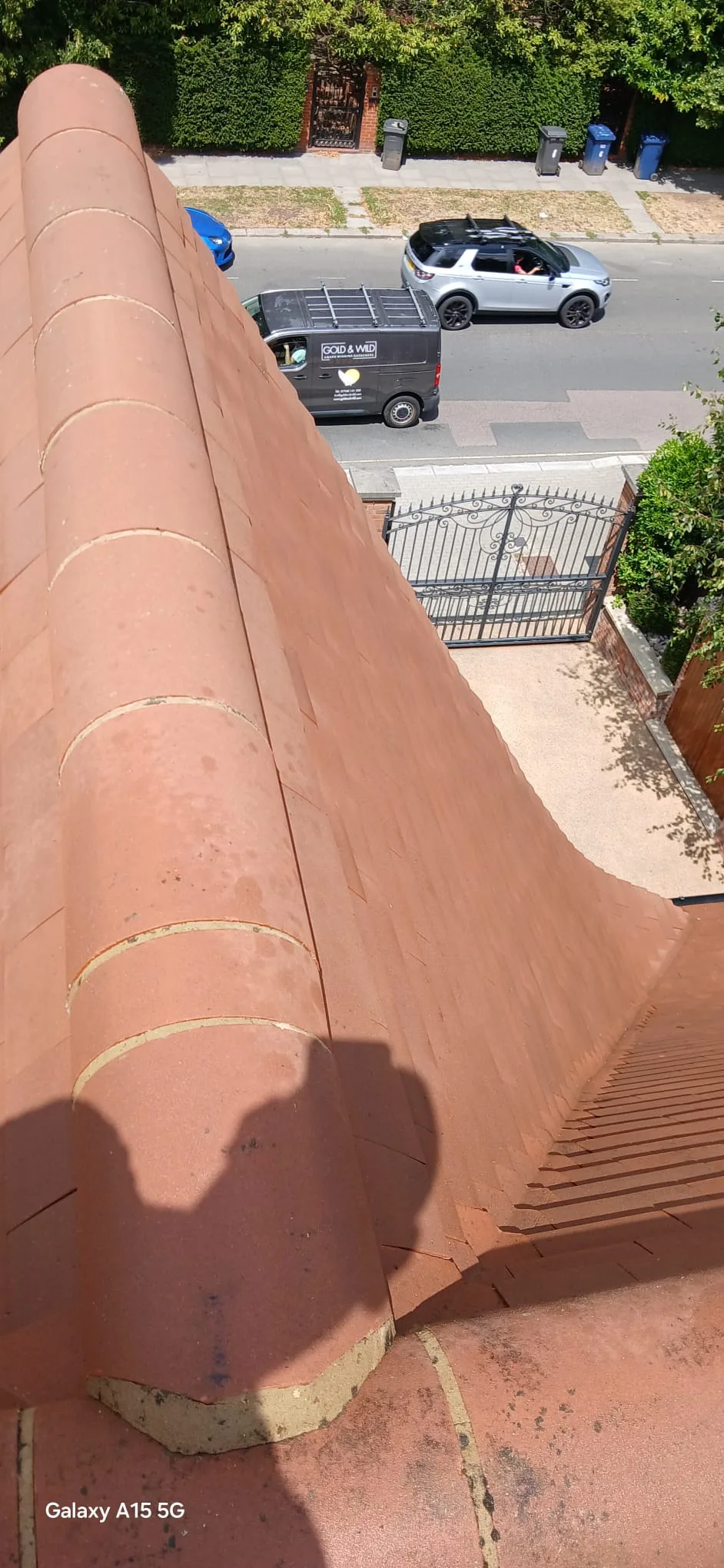
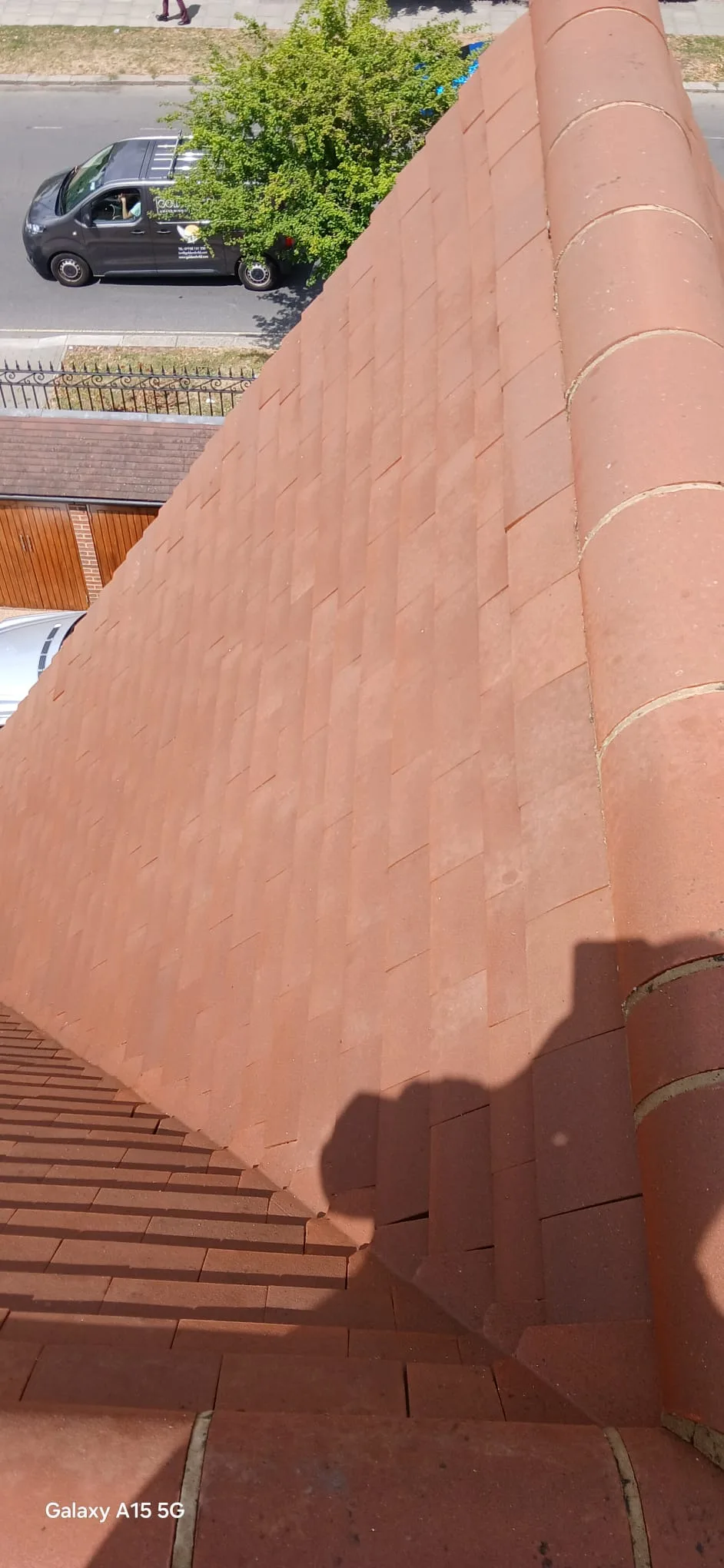
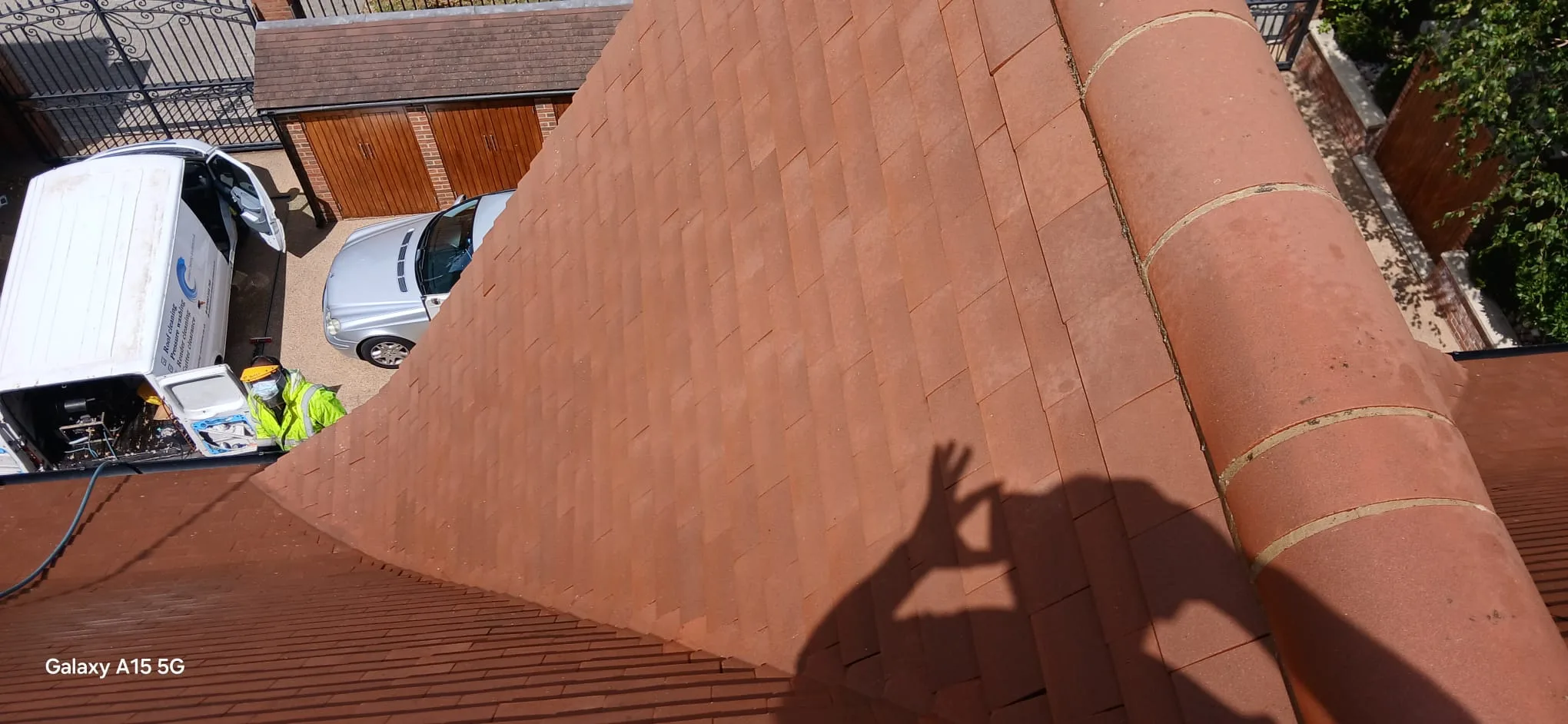
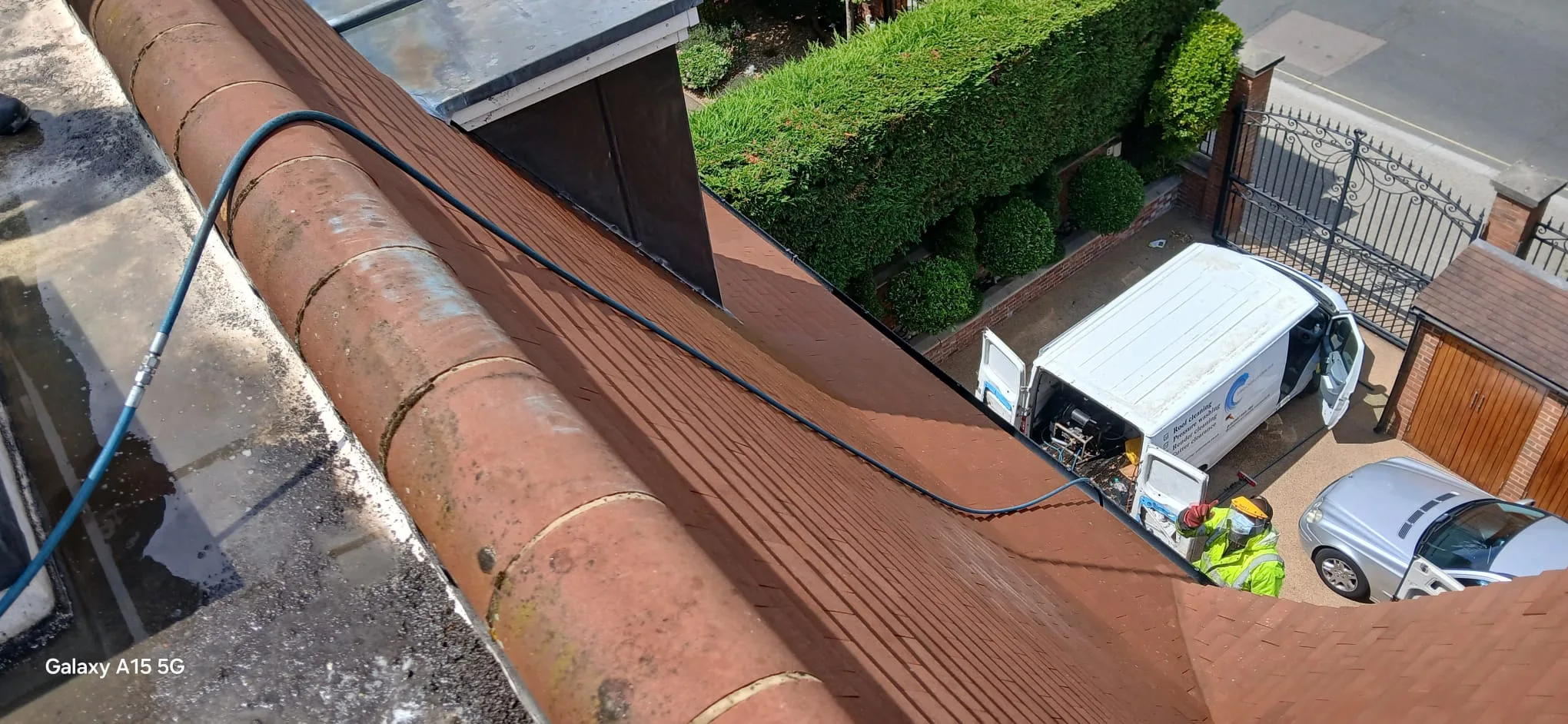
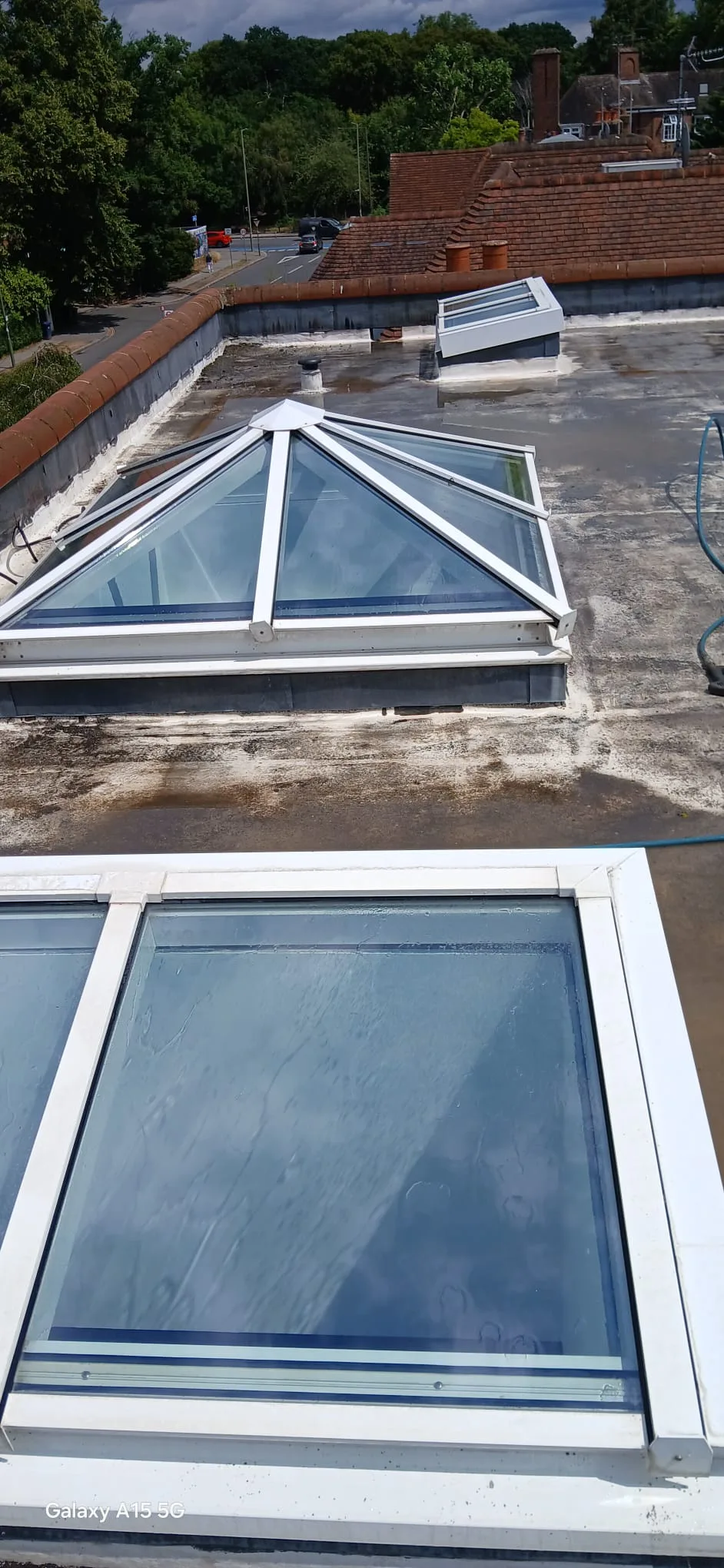
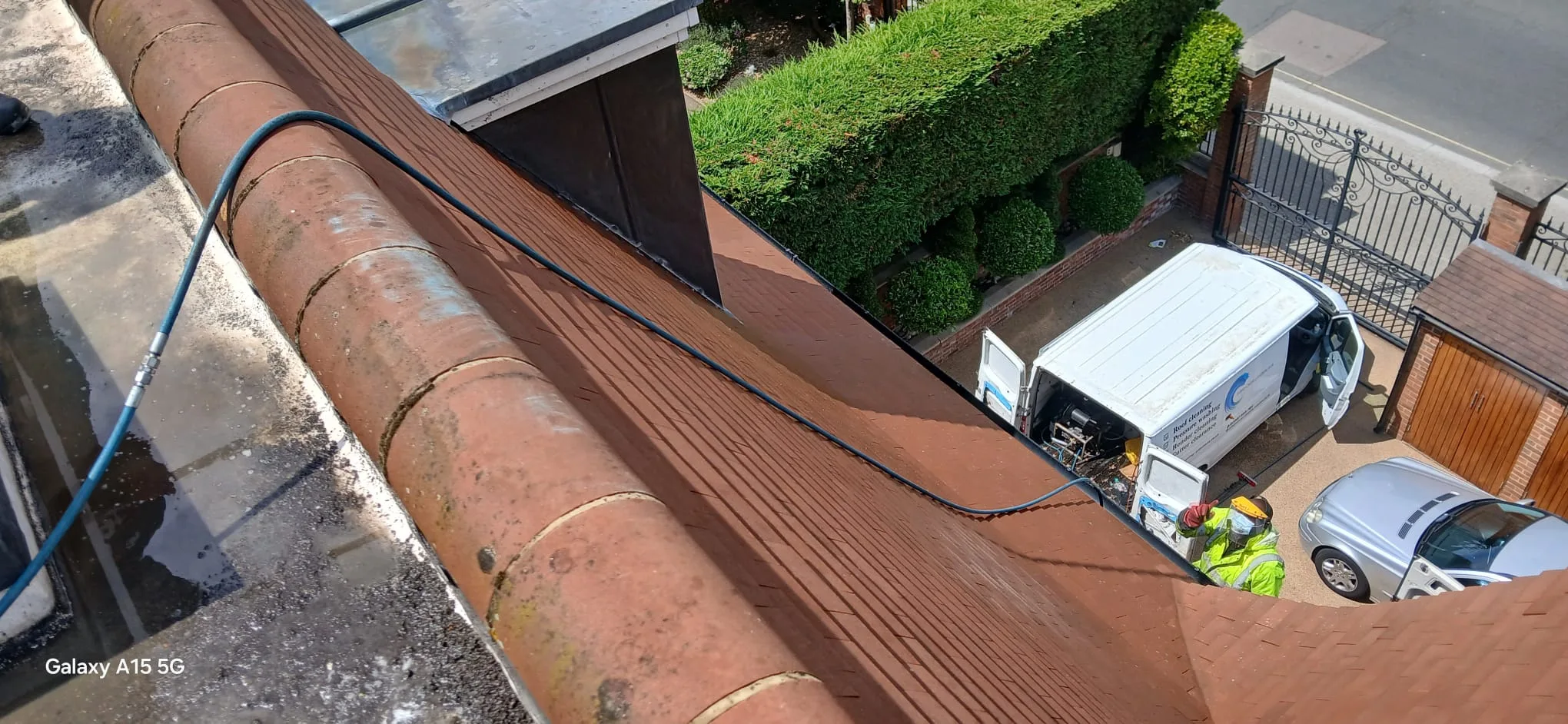
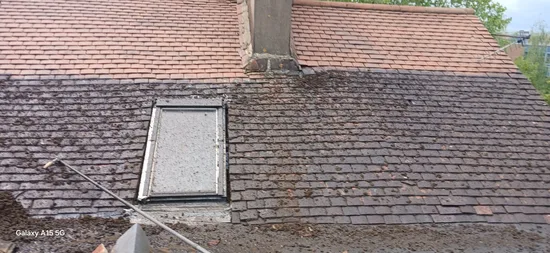
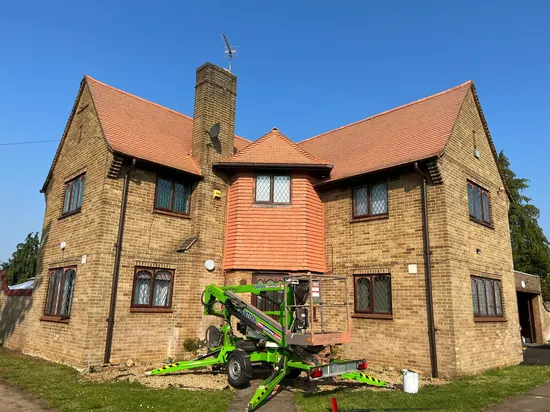
In July 2025, one of our projects was a specialist cleaning of the roof and skylights of a private mansion in Harrow. To be honest, not the easiest job. We had to deal with very steep, sloped sides with clay roof tiles covered by built-up biological growth. Our strategy was as complex as the project - we cleaned the roof tiles with steam cleaning, prevented algae growth with a DDAC biocide treatment, and refreshed the skylight glass and frames with pure-water cleaning. The roof looked its best, and light could pass through once again.
The project, in summary
- Property: Private mansion
- Location: Harrow
- Date: July 2025
- Roof type: Sloped clay tile roof
- What was our scope: Full roof clean, skylight cleaning, biocide treatment
- How did we do it: Steam cleaning, DDAC treatment, pure water cleaning
The Challenges we had to address
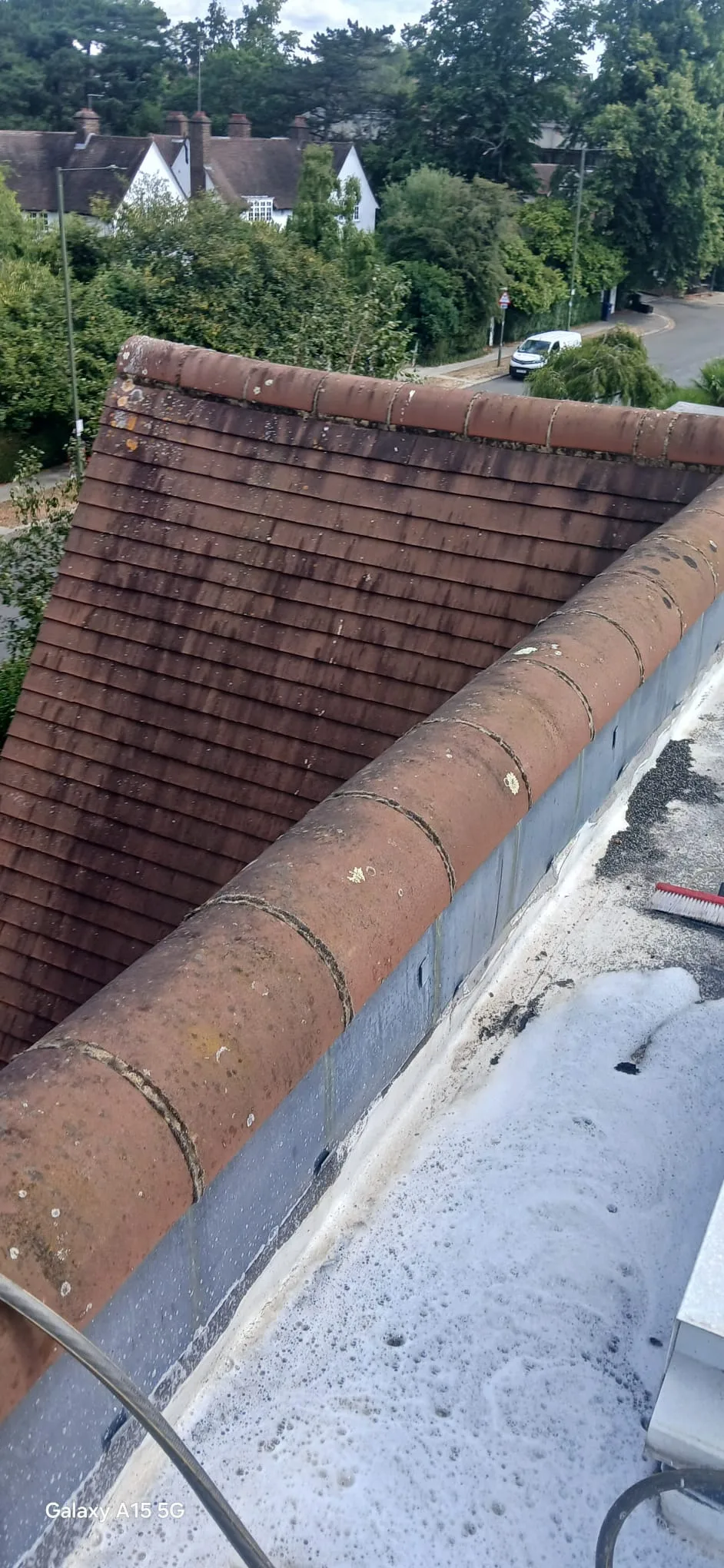
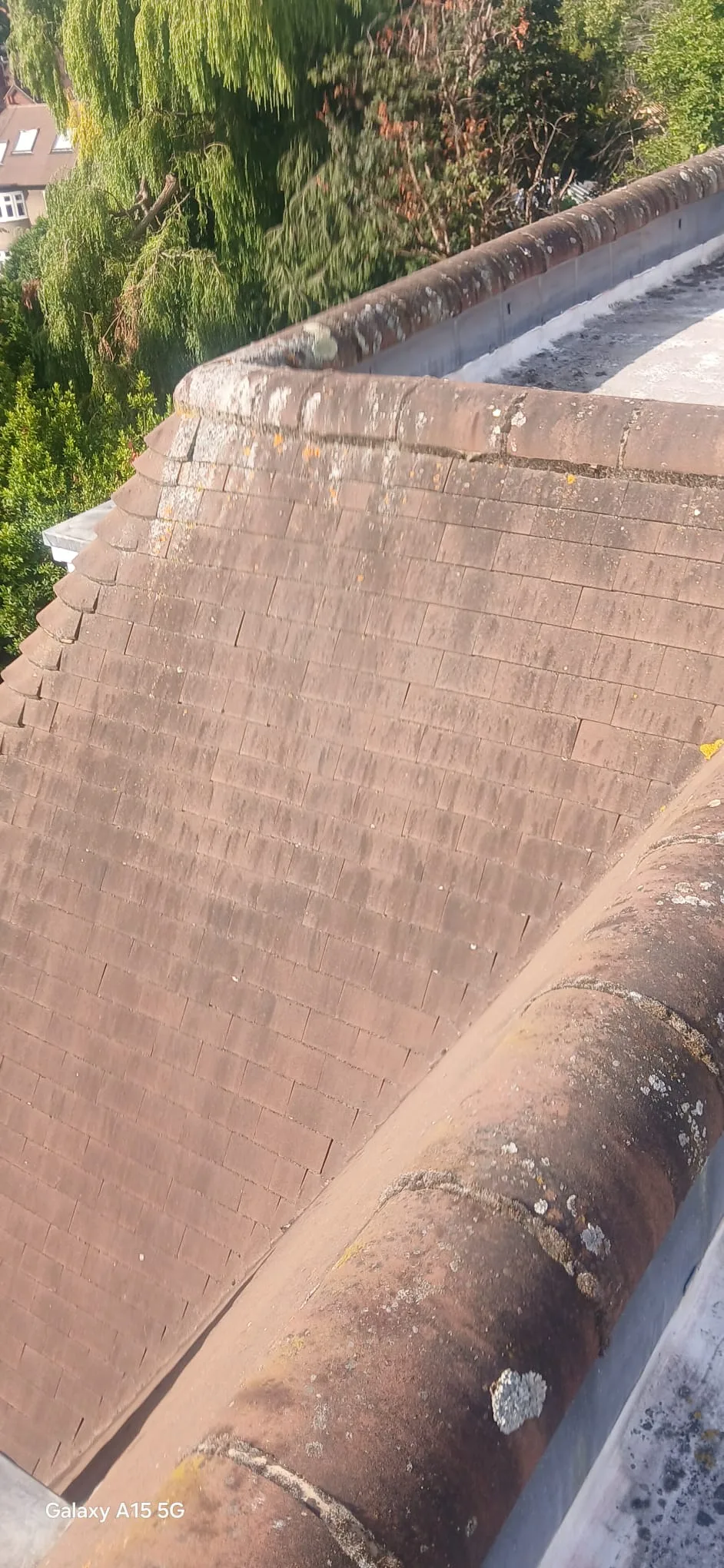
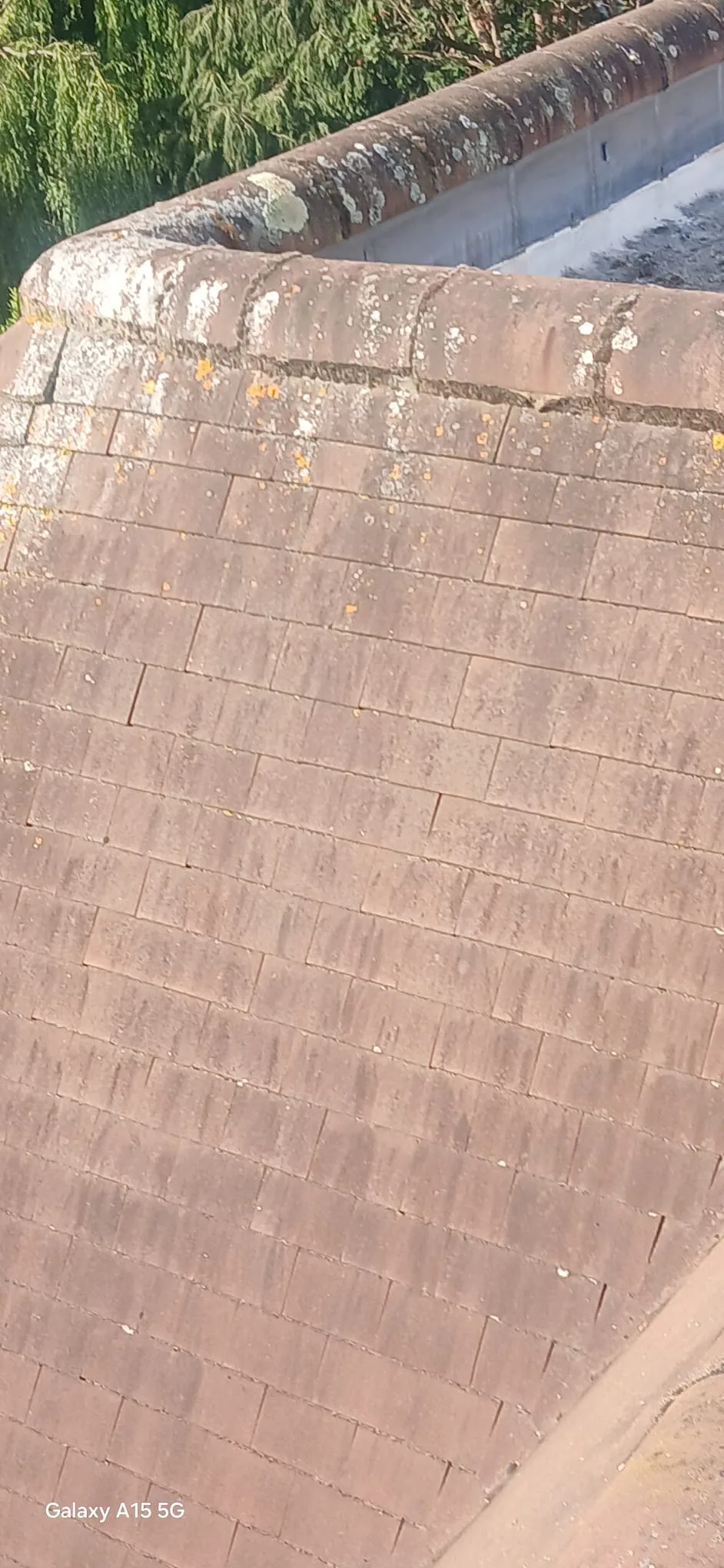
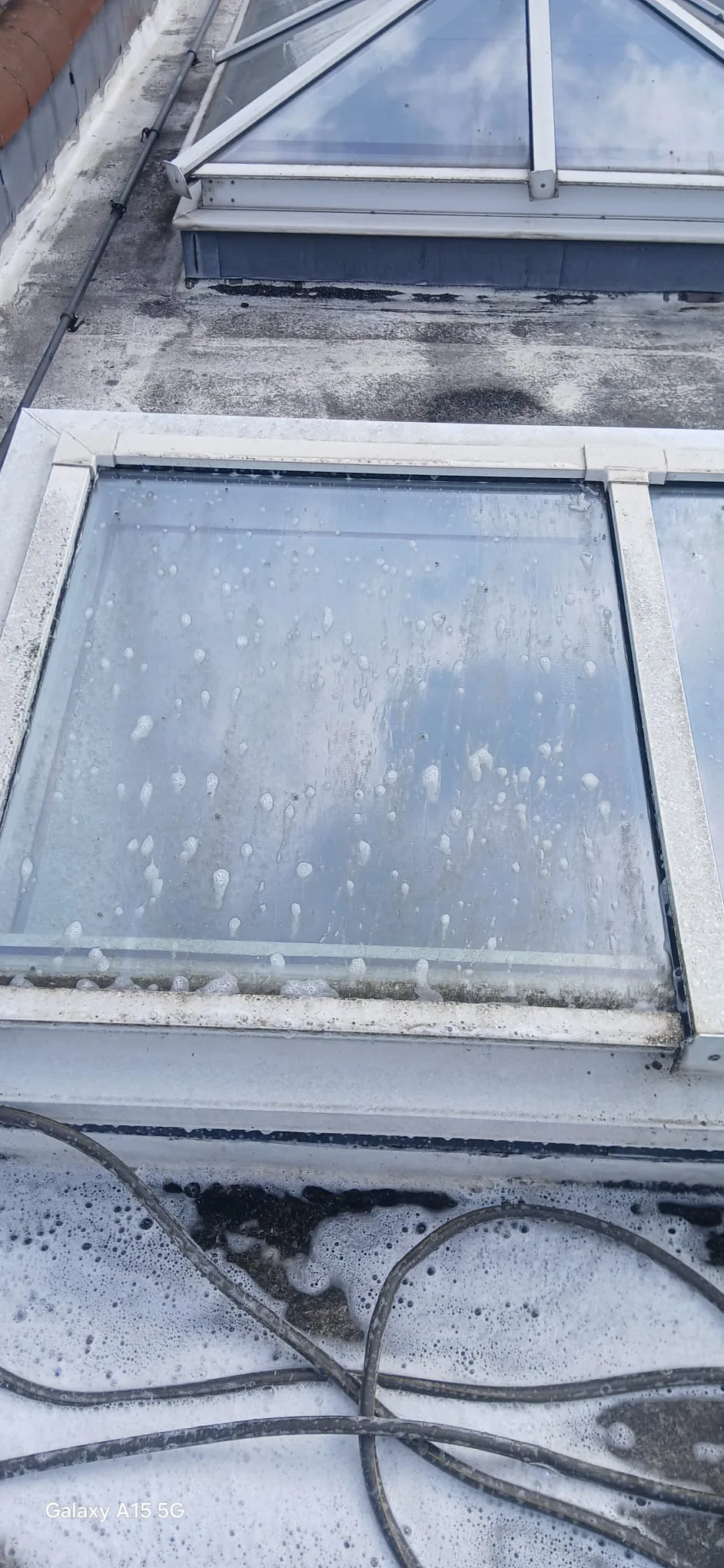
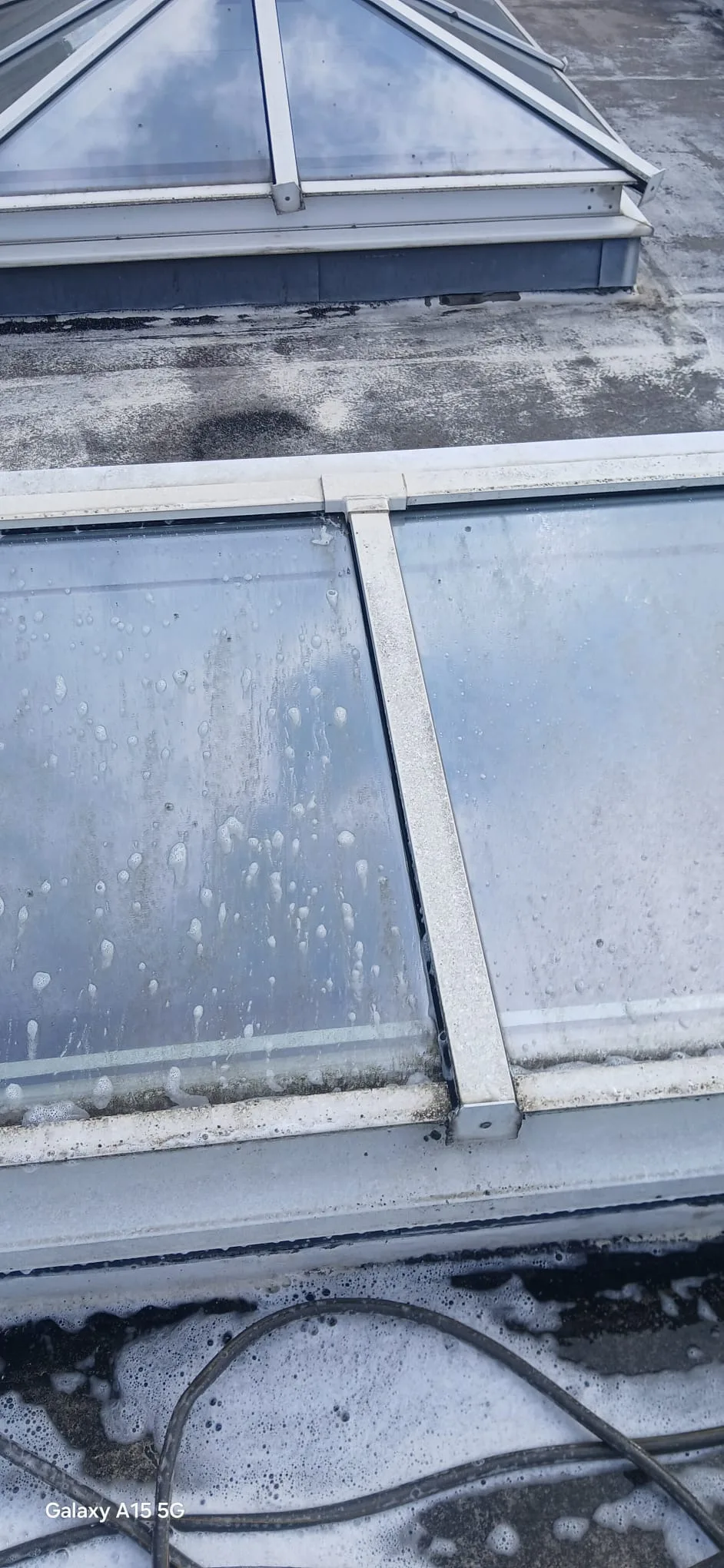
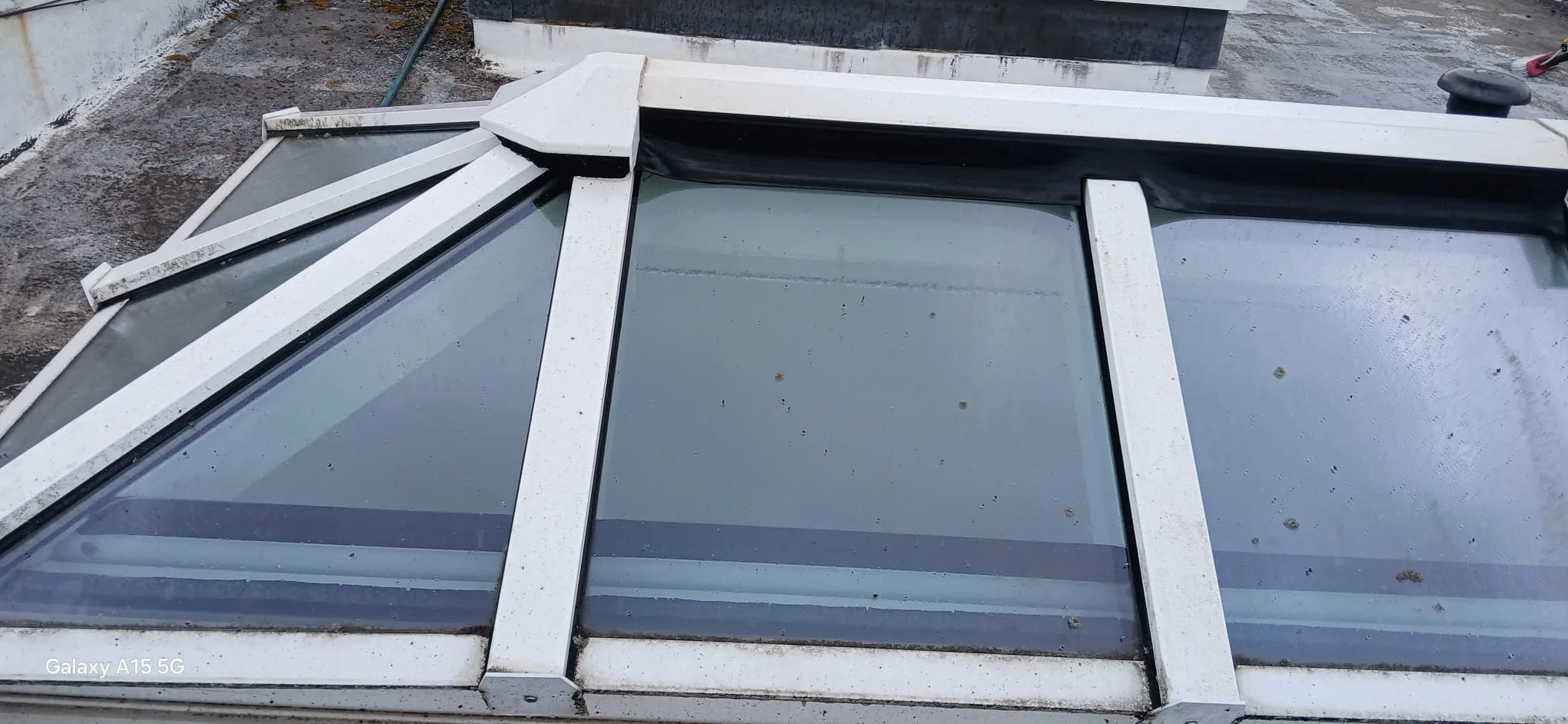
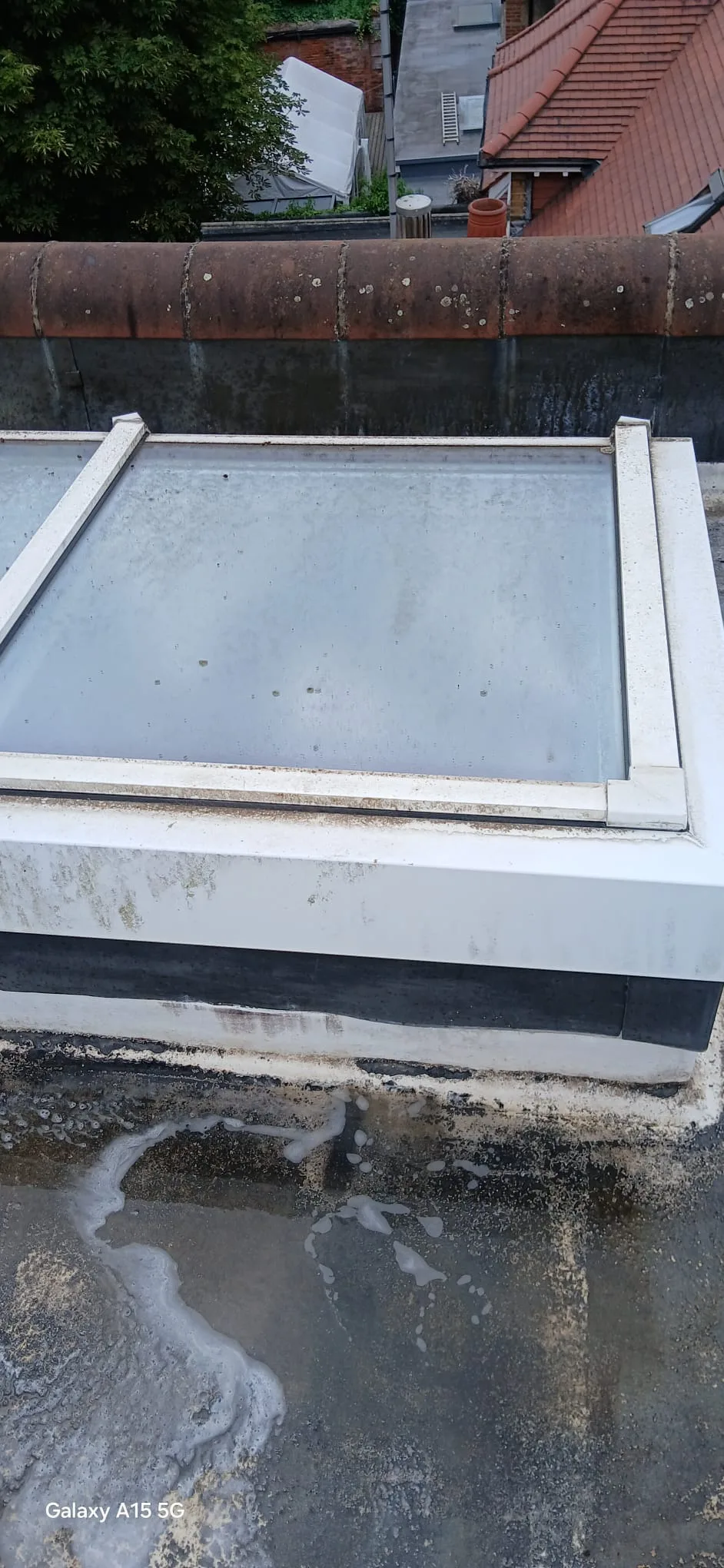
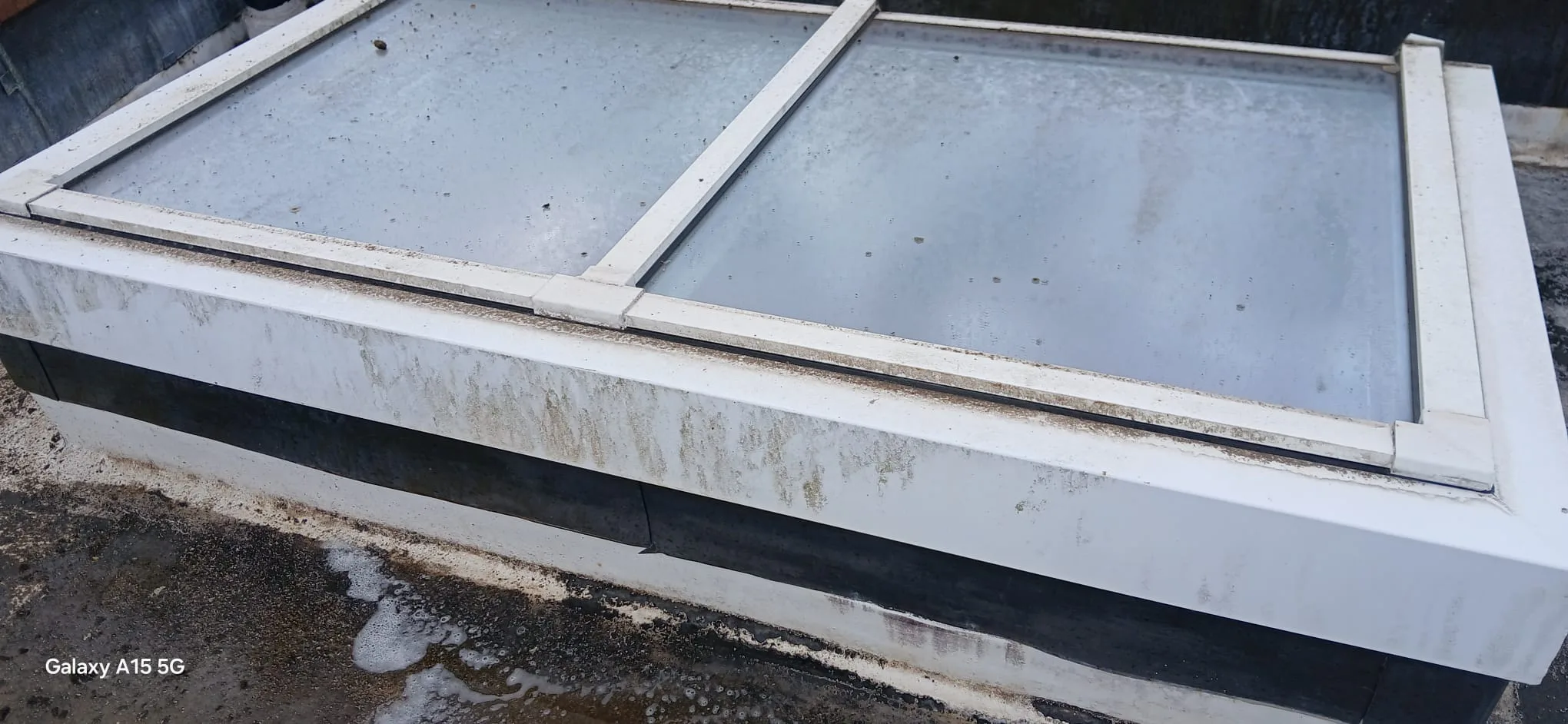
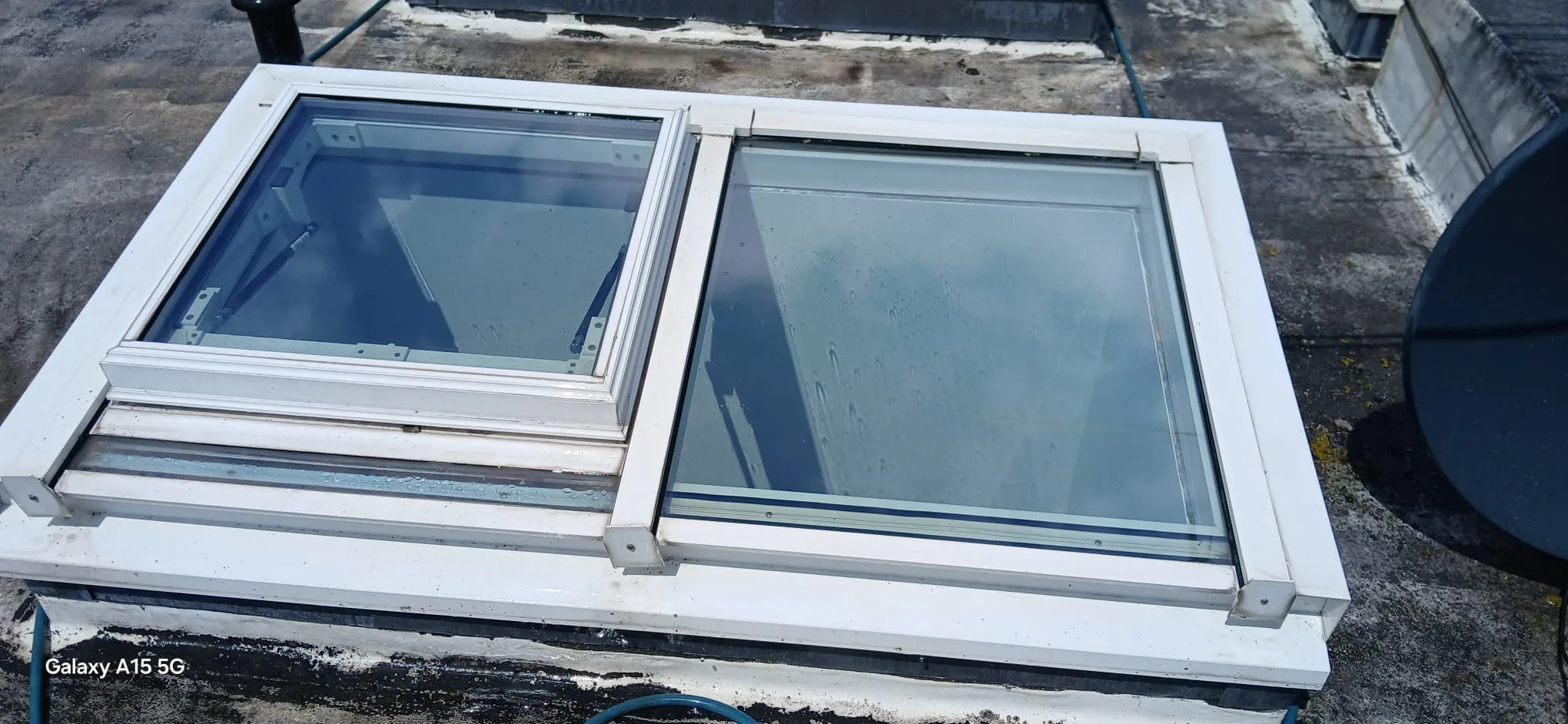
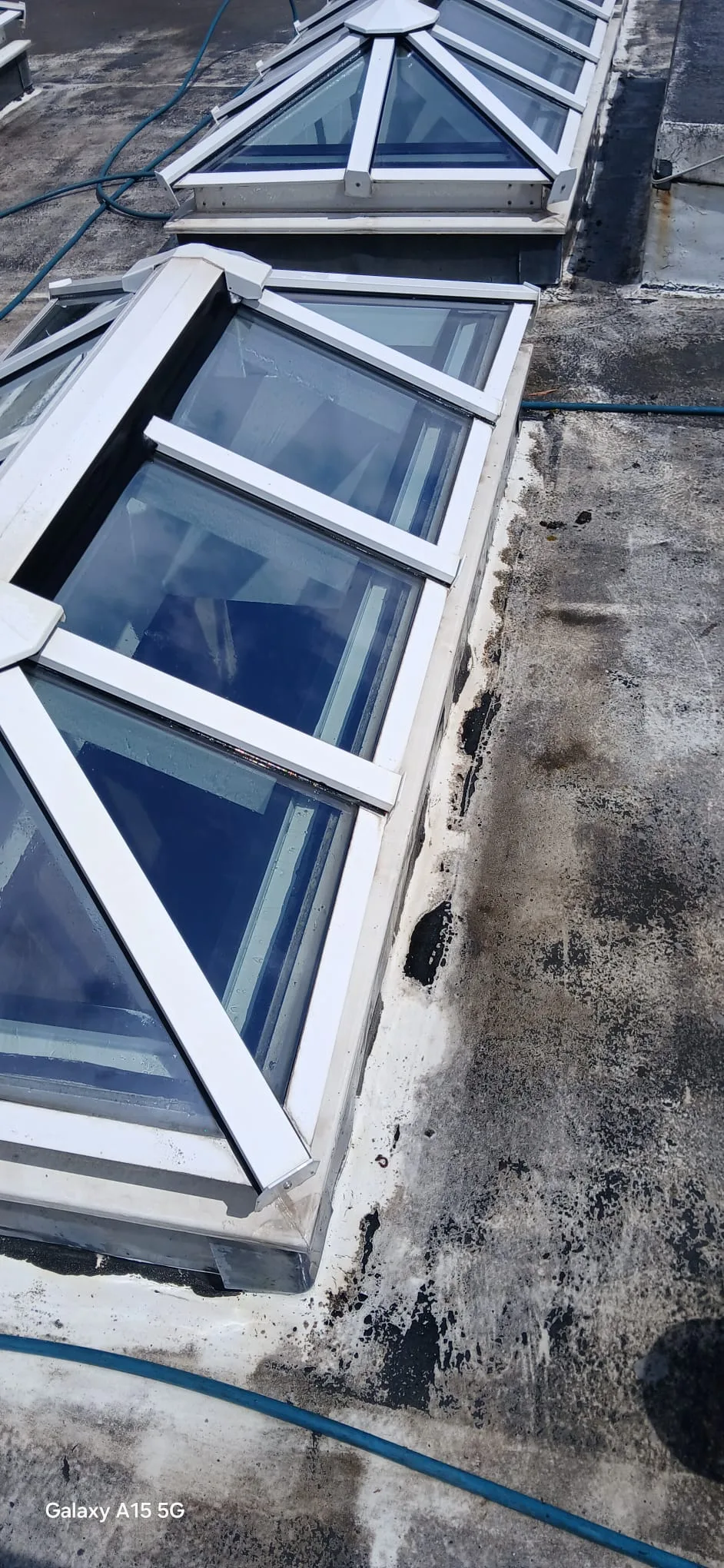
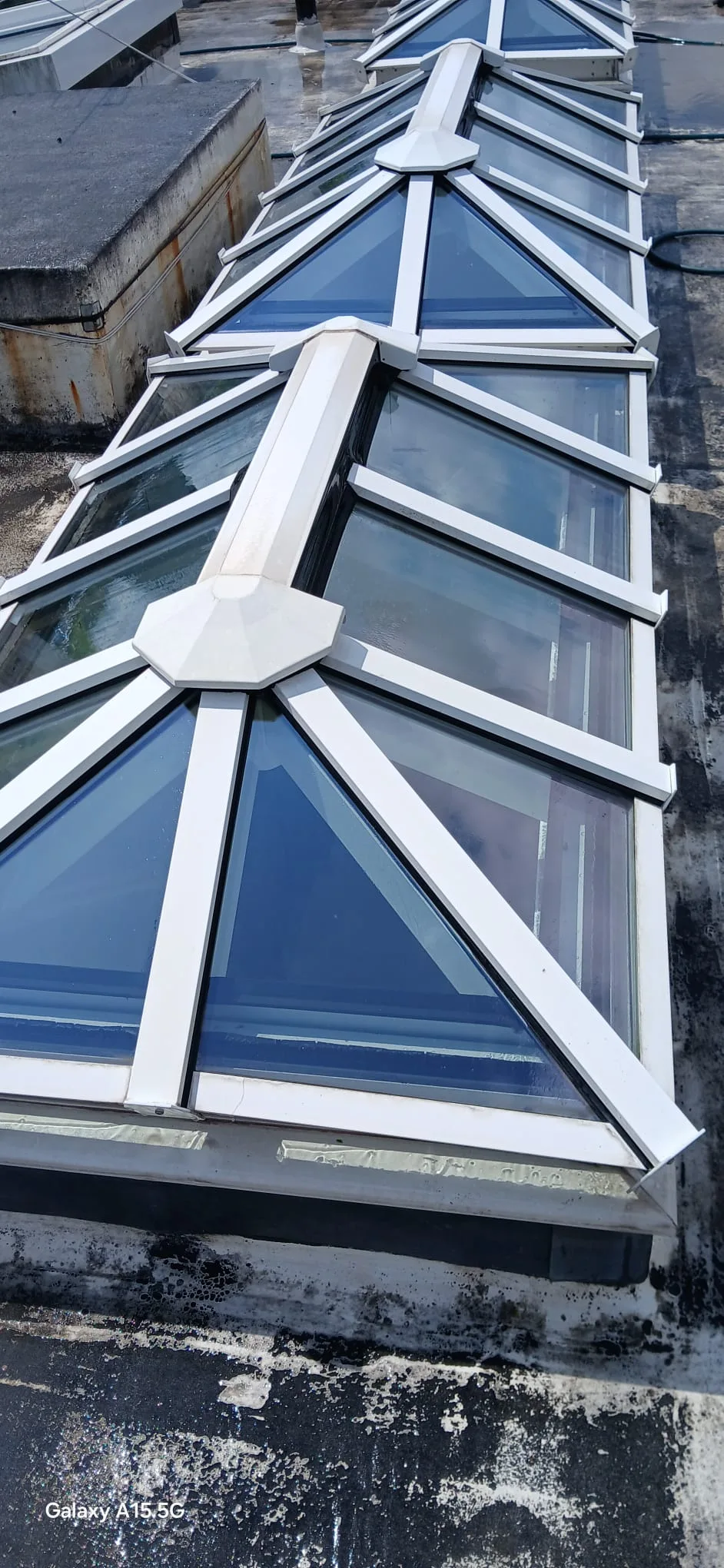
Three main constraints directly affected our strategy. First, the roof has big slopes on several sides. Therefore, we had to carefully place our equipment, secure our footing, and work section by section to ensure safety from beginning to end. Second, algae, moss, and lichen were deeply set into the clay tiles’ textured surface. Using pressure washing would have cracked or dislodged tiles, so gentle and effective was the only way to clean. Last, but not least, the skylights were anything but clean or useful. Many of them were covered by grime, algae residue, and watermarks. We had to clean the glass and frames without leaving any streaks or chemical residue - they would have affected the seals.
How did we approach the job
For clay tiles, it was steam cleaning
Across the entire area, we went with steam cleaning. Steam is great because it can lift organic growth and surface grime, but it doesn’t have the impact of pressure washing. Using pressure on clay tiles can quickly turn into a disaster - only cracking and moisture ingress remain. Moreover, the high-temperature steam kills algae and moss at the root level. All in all, a steam clean is far more effective than a surface-level rinse.
DDAC Biocide Treatment
We followed the cleaning with a biocide treatment using DDAC (Didecyldimethylammonium chloride). Not a spot was missed. The conditions that this treatment creates on the tile surface inhibit biological colonisation - basically, the treatment prevents algae regrowth for the next few months. Regrowth is fastest on surfaces in damp, shaded areas. With this treatment, those surfaces will still look appealing for a long time.
We used pure water cleaning for skylights
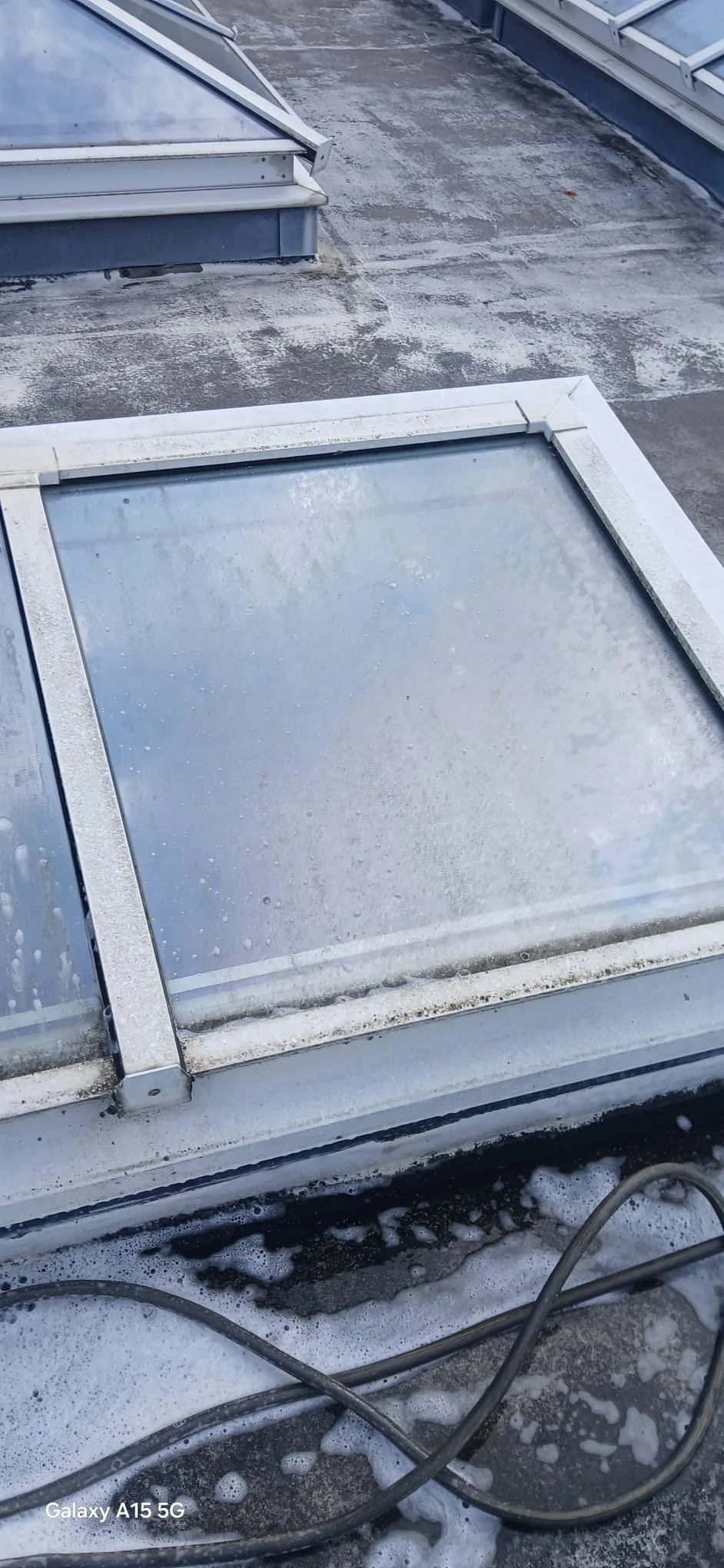
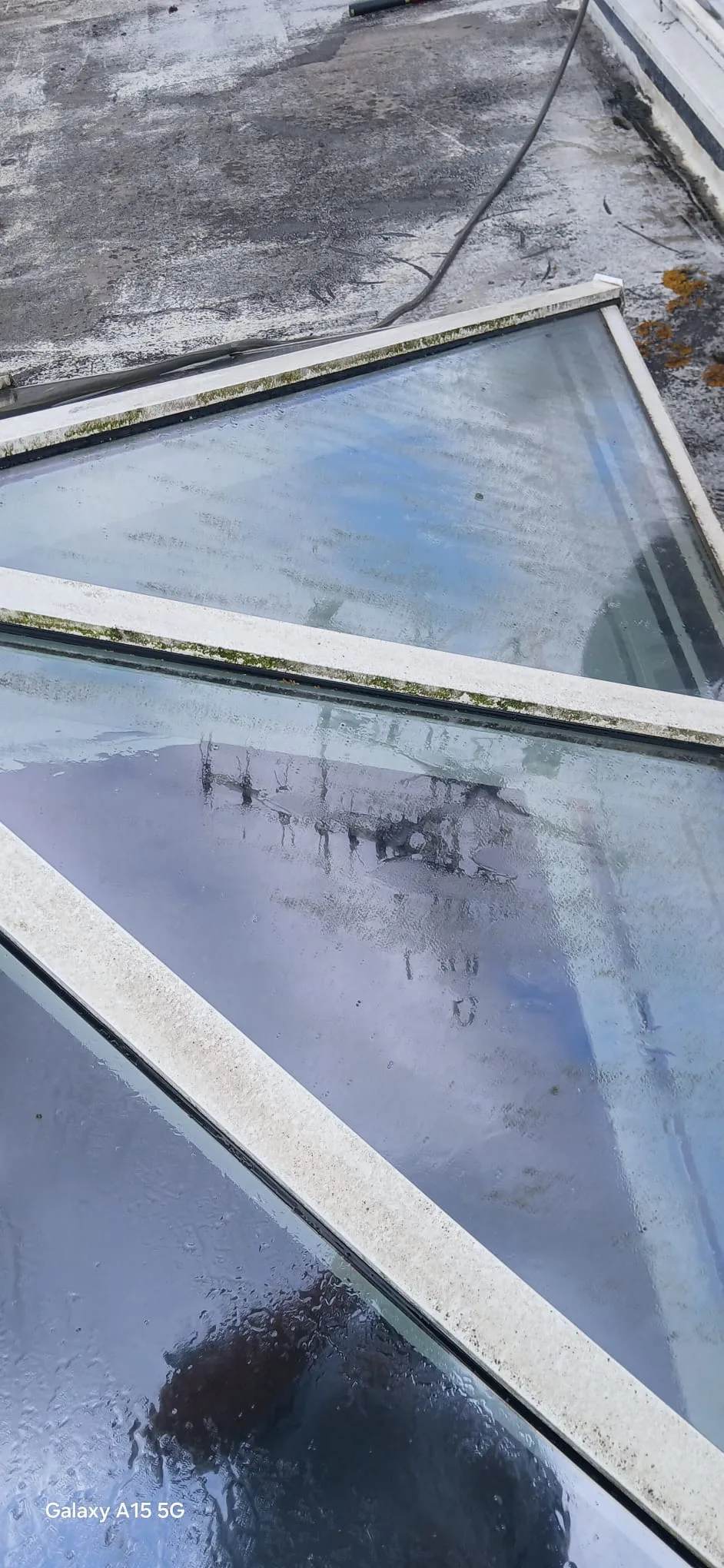
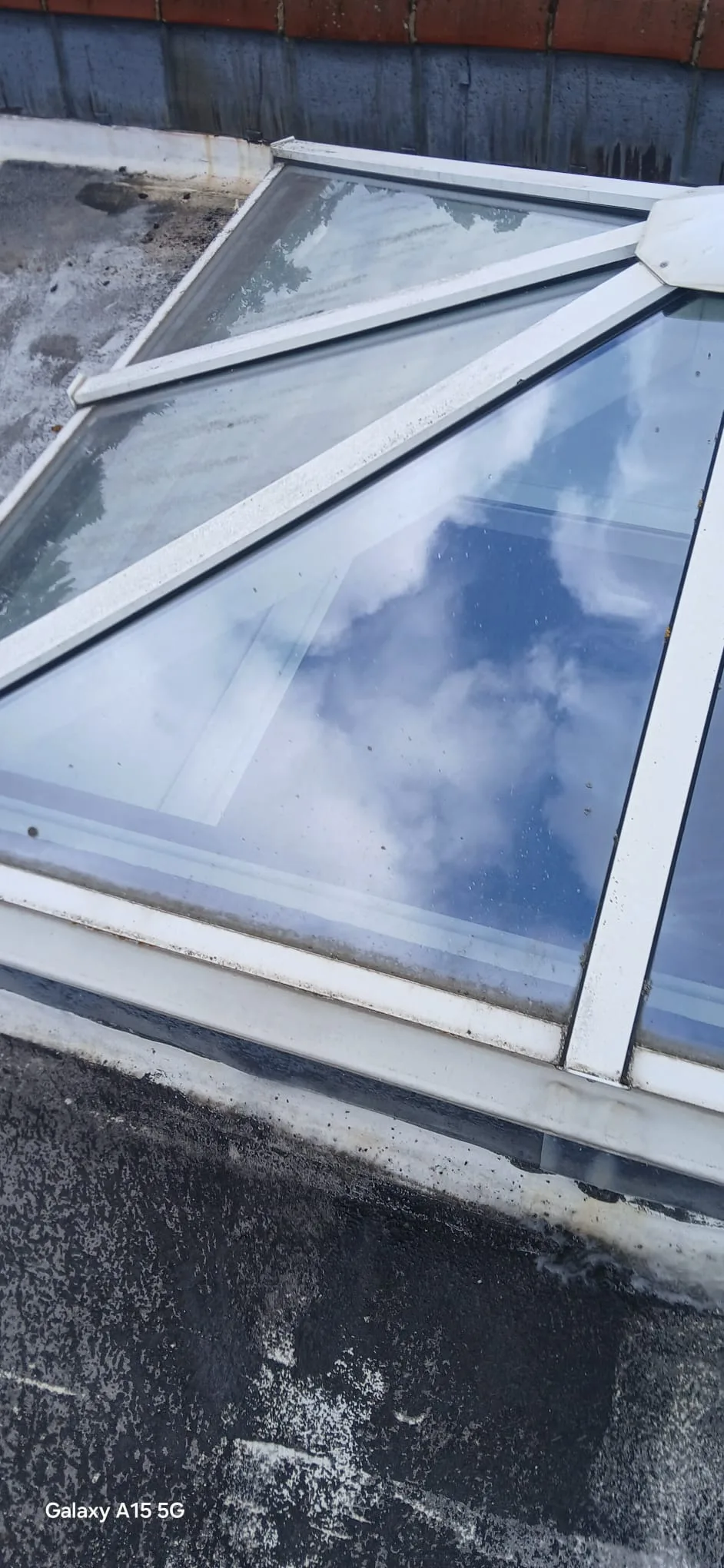
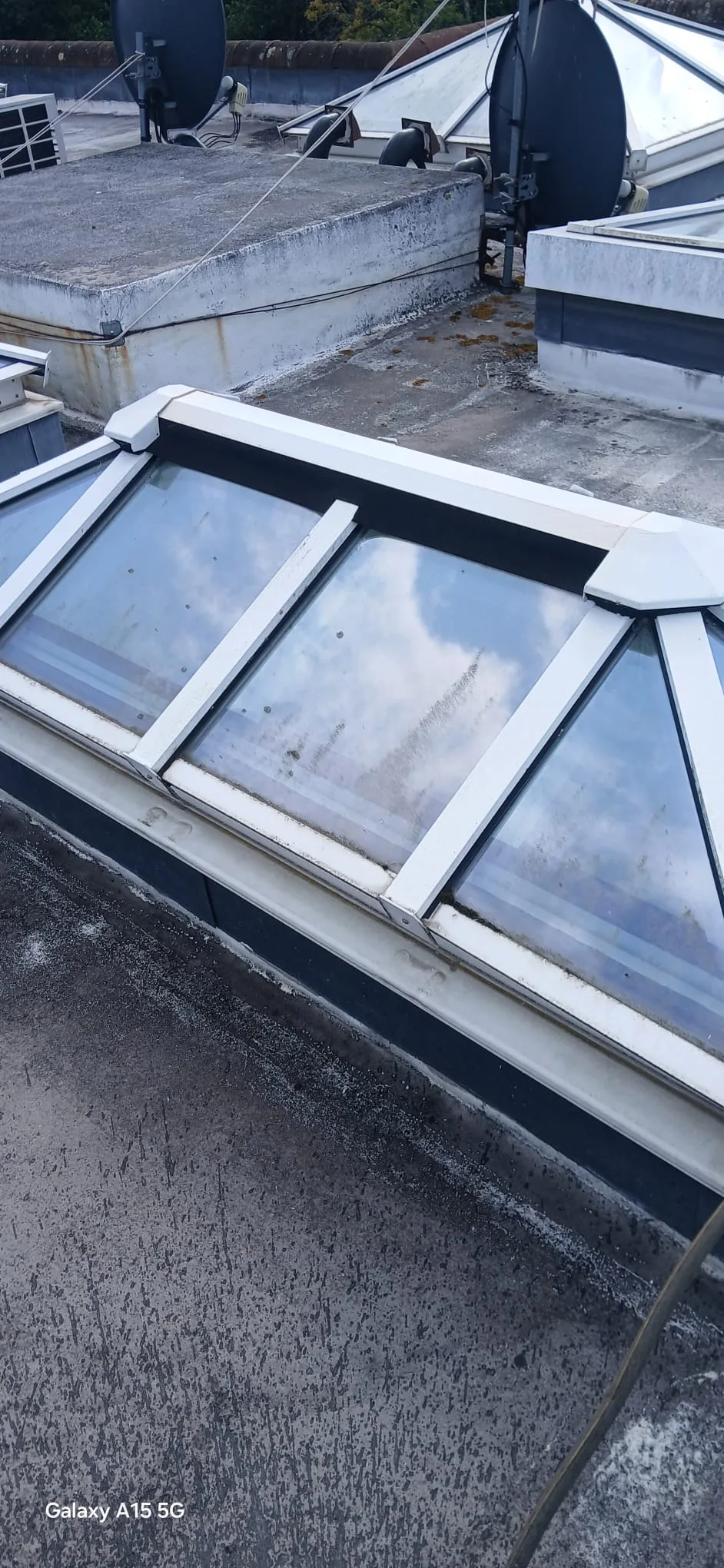
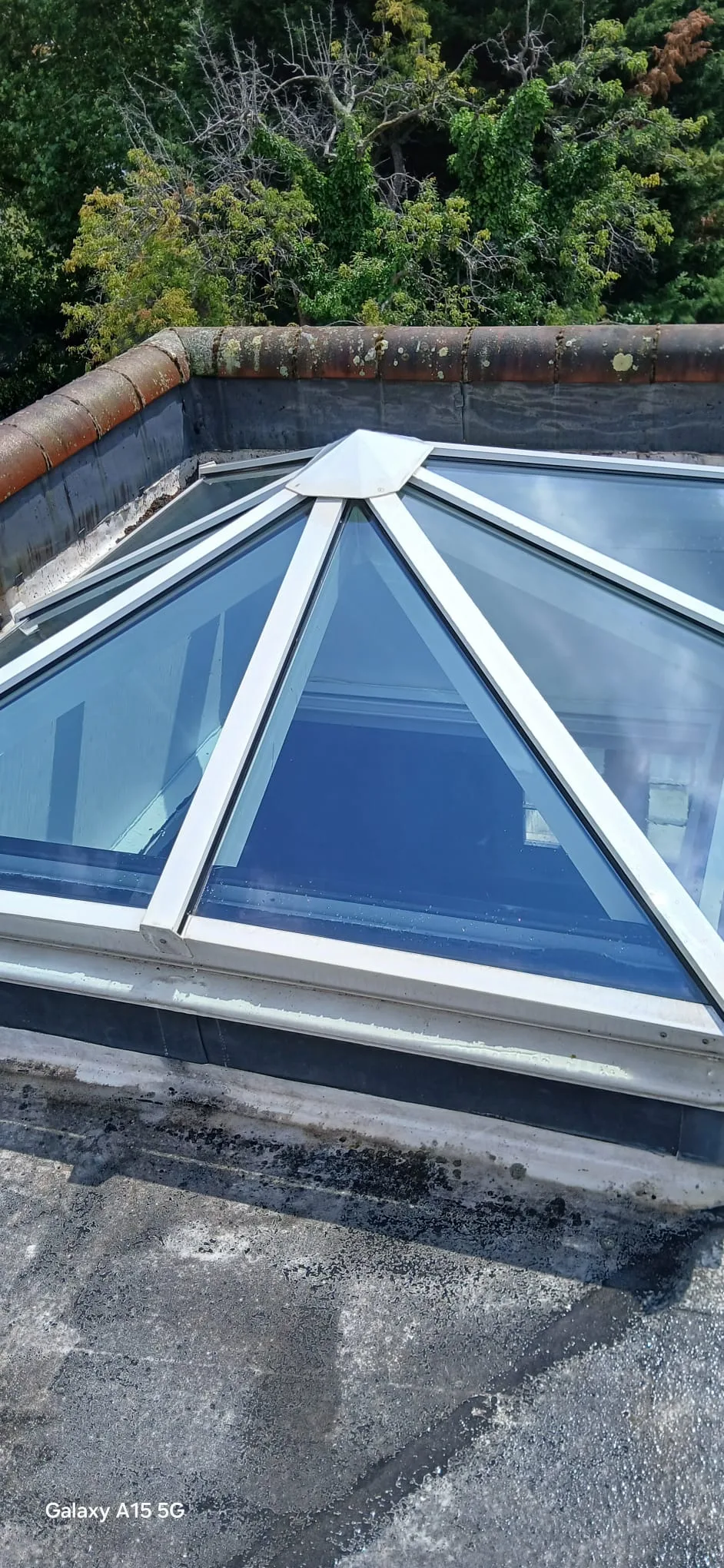
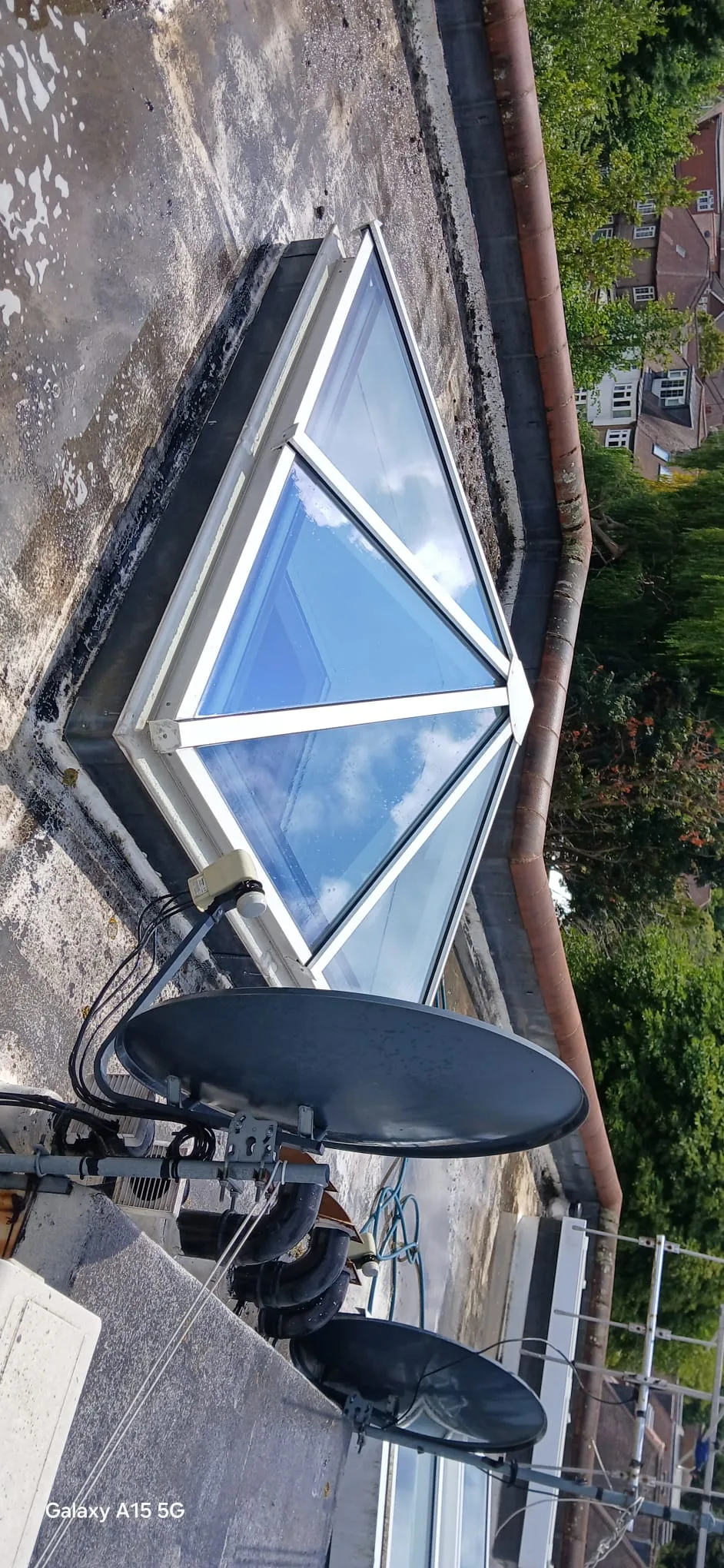
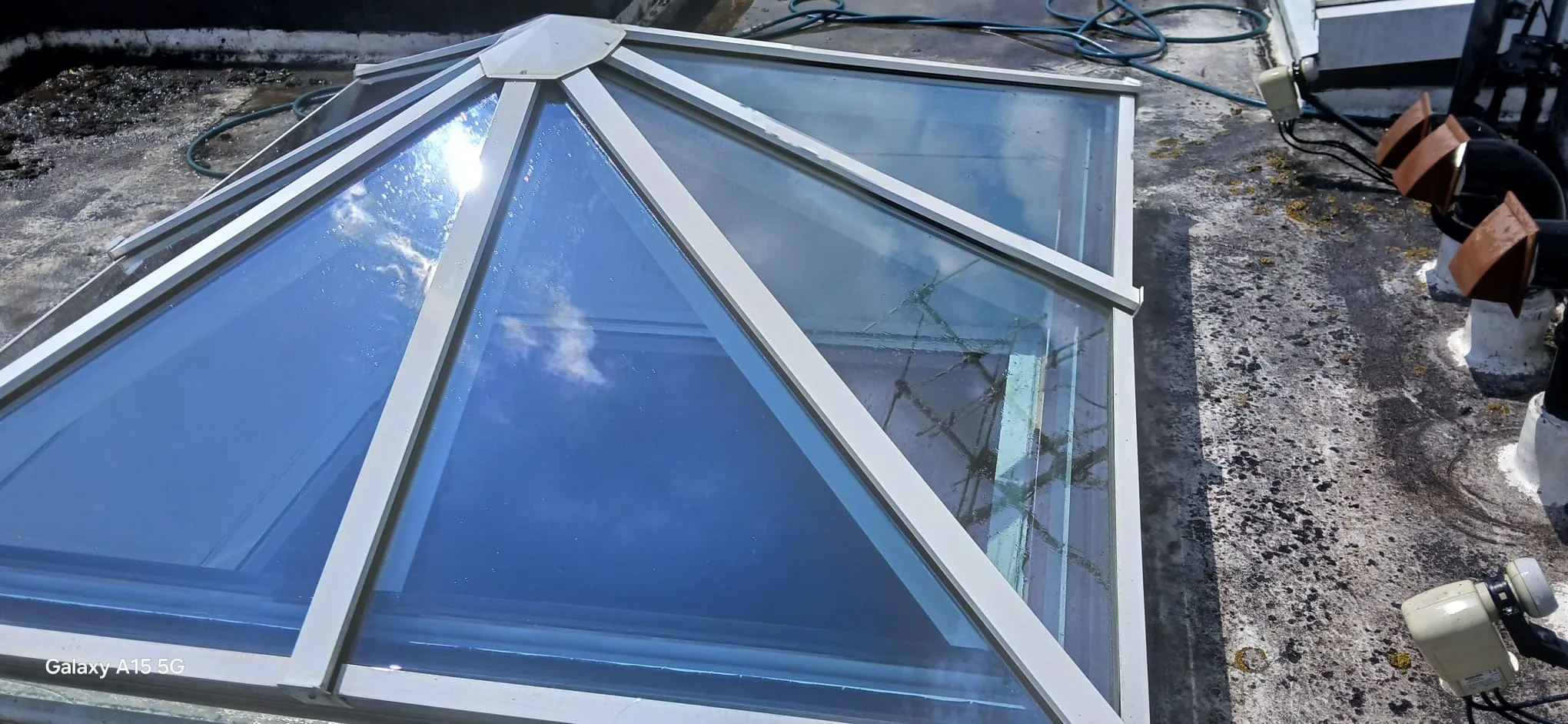
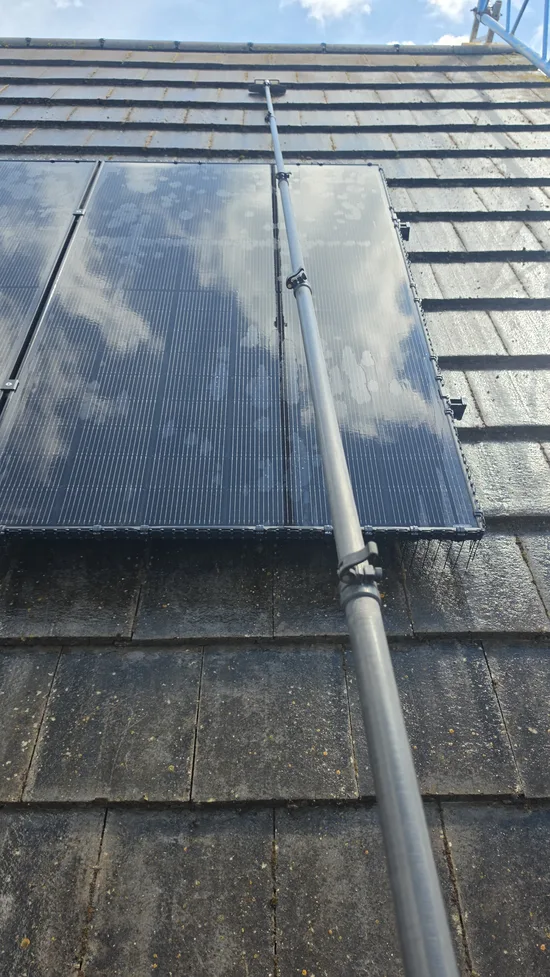
For the skylights, we used a pure water system. Deionised water doesn’t leave mineral deposits or streaking on glass. Plus, no chemical residue is left behind to degrade the skylight seals over time. After we cleaned the glass panels and surrounding frames, the light transmission was once again efficient.
Our results
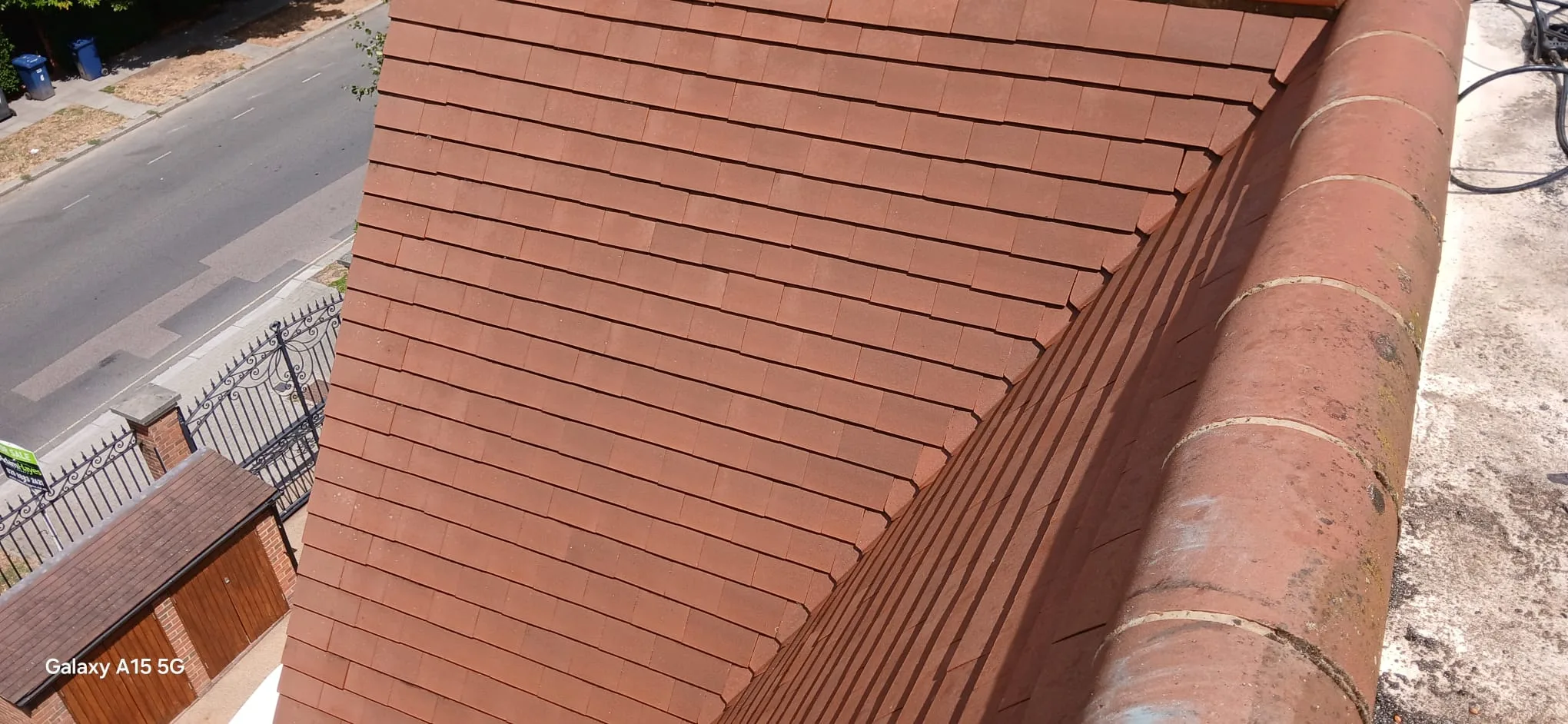
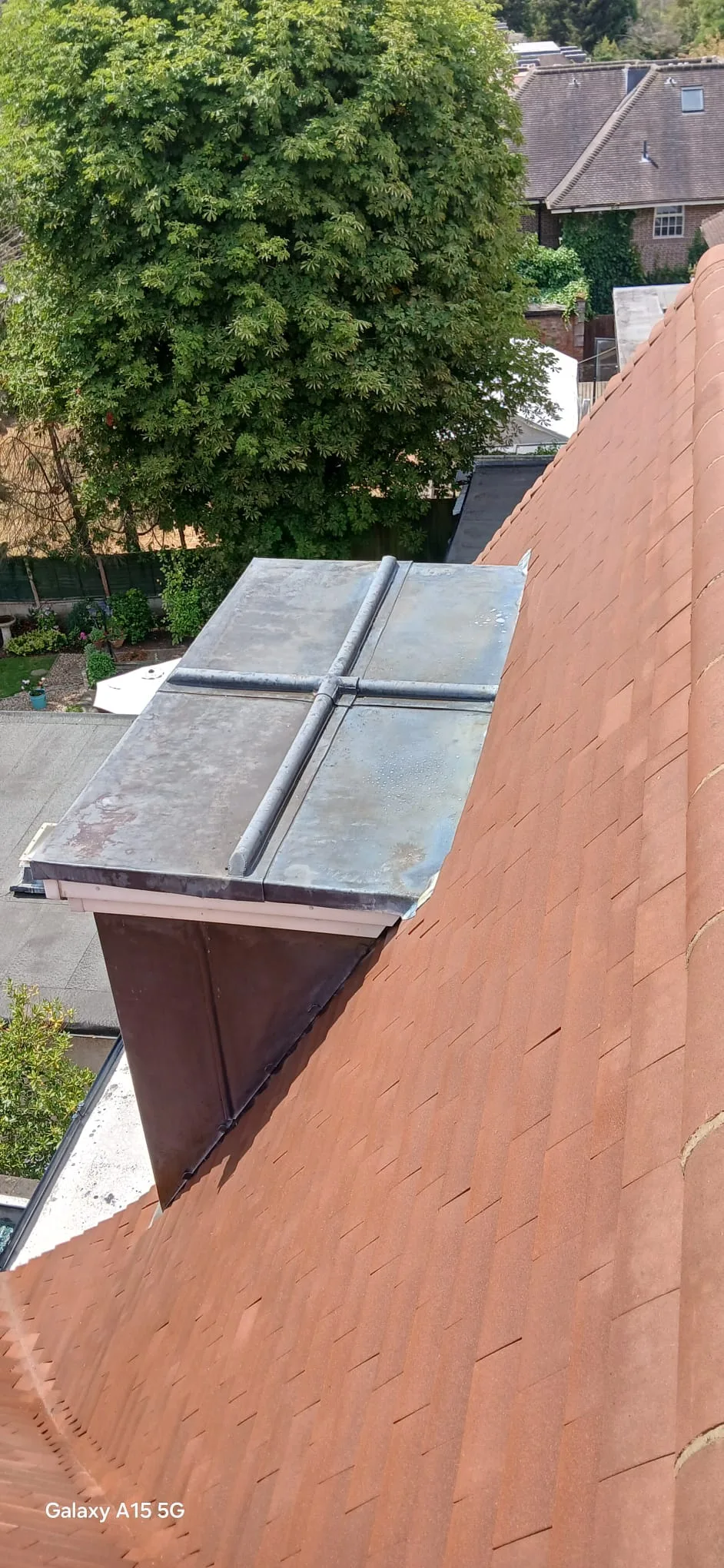
- After we removed deeply set algae and moss, we restored the clay tiles to their original colour
- Without damaging or displacing the tiles, we cleaned the steep roof sections evenly
- Grime and algae film were gone from the skylights, so the natural light was restored
- To slow organic growth across the roof, we applied the DDAC treatment
- We didn’t damage the clay tiles, skylight seals, or surrounding roofline features
What We Cleaned
- Full clay tile roof - all elevations and slopes
- Skylight glass panels and frames
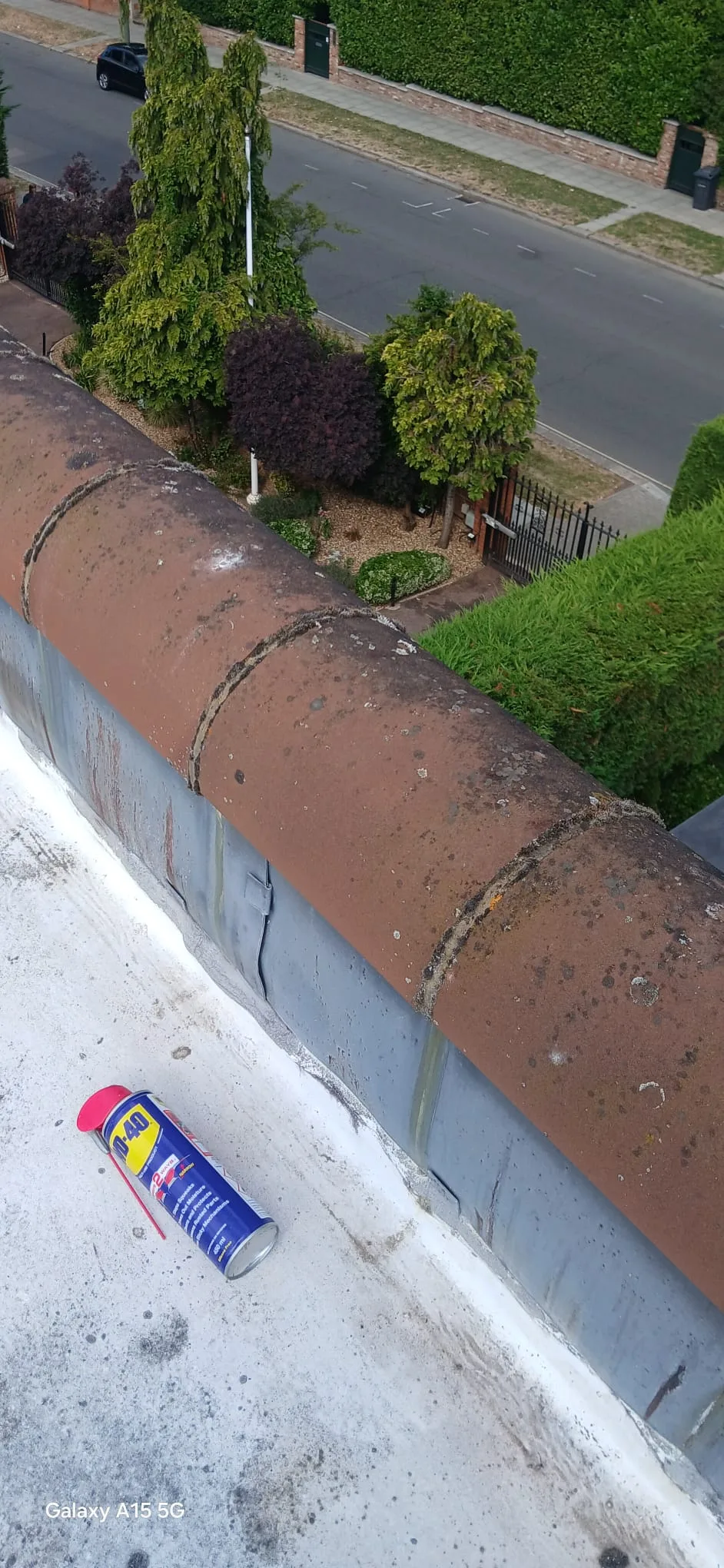
- Ridge tiles and hip tiles
- Roofline edges and valleys
A word on Maintenance
In areas with mature trees and poor airflow, organic material will regrow on clay tile roofs faster than on exposed roofs. The DDAC treatment does slow down regrowth, but it’s no miracle worker. Regular maintenance cleaning is still needed - based on conditions, we recommend it every 2-3 years. It will keep the roof looking appealing and functional, and moss won’t lift the tiles over time.
Frequently Asked Questions
Why choose steam cleaning over pressure washing for clay tiles?
With steam cleaning, we can remove organic growth with a fraction of the mechanical force used in pressure washing. Clay tiles are more brittle than concrete ones, and high-pressure water will crack, chip, or dislodge them. Plus, the heat kills algae and moss spores at their root level - this isn’t something we, or anyone else in the industry, can achieve with pressure washing alone.
How long does DDAC biocide treatment last?
It lasts 12-18 months on exposed roof areas. In heavily shaded or north-facing sections it lasts less, because moisture dries more slowly - we have to take into account the typical UK conditions. Keep in mind that this treatment doesn’t mean the roof will be immune to algae forever. However, it does mean it won’t need cleaning that often.
Need a quote for roof or skylight cleaning?
Send photos of your roof and skylights plus your postcode and we'll recommend the right cleaning method for your tile type. Call 07307 358765.
Get a Free QuoteRelated Services
Project Images
Get Your Free Quote
Fill in the form below and we'll get back to you within 24 hours.